Smart Homeowner’s Guide to Repairs, Renovations, and Maintenance Services
Introduction: Building a Smarter Approach to Homeownership
Owning a home is a long-term commitment that extends far beyond the initial purchase. It involves continuous care, planning, and decision-making to ensure the property remains safe, functional, and valuable over time. Unlike short-term purchases, a home evolves constantly as materials age, systems wear down, and household needs change. Because of this, homeowners who take a reactive approach often find themselves dealing with expensive emergencies rather than manageable maintenance.
One of the most overlooked aspects of homeownership is how interconnected all systems are. A problem in one area—such as plumbing or roofing—can quickly affect insulation, flooring, air quality, or even structural stability. This interconnected nature means that maintenance should never be treated as isolated tasks. Instead, it should be approached as a coordinated system of care.
Modern homeowners also face increasing complexity. Homes today often include advanced HVAC systems, integrated appliances, and multiple layers of structural and aesthetic upgrades. Without a clear plan, it becomes easy to lose track of what needs attention and when. This is where a structured approach becomes essential.
Another important factor is timing. Many home issues begin with subtle warning signs that are easy to overlook. Small leaks, minor inefficiencies, or slight structural changes often indicate larger underlying problems. Addressing these early can prevent major repairs later and significantly reduce long-term costs.
This guide is designed to help homeowners develop a more strategic mindset toward repairs, renovations, and maintenance. Instead of reacting to problems as they arise, you’ll learn how to anticipate needs, plan improvements, and coordinate projects effectively. The goal is to create a home that remains efficient, comfortable, and valuable for years to come.
Plan and Coordinate Major Life Transitions Without Disrupting Home Systems
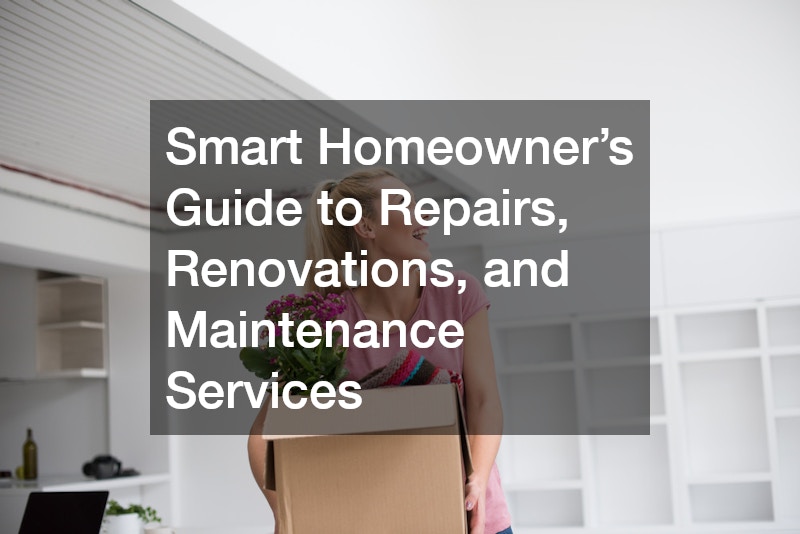
Relocating is one of the most disruptive life events for a household, and without proper planning, it can also lead to damage or unnecessary stress. A smooth transition requires coordination not only of belongings but also of home systems, utilities, and structural protection.
When working with a moving company, homeowners should focus on preparation rather than just transportation. Proper planning helps prevent damage to floors, walls, and entryways during the moving process.
Key preparation steps include:
- Measuring doorways, hallways, and stairwells in advance
- Protecting flooring with coverings or padding
- Labeling boxes clearly by room and priority
- Disconnecting appliances safely before moving day
Additional considerations:
- Schedule utilities to overlap between old and new homes
- Secure fragile home systems like HVAC or water connections if applicable
- Plan moving dates around renovation or repair work
A well-organized move reduces the likelihood of damage to both possessions and the home itself. It also ensures that systems like plumbing and electrical setups remain undisturbed during transitions. Coordinating timing is especially important if renovations are planned immediately after relocation.
Prevent Costly Water Damage by Maintaining Core Plumbing Systems
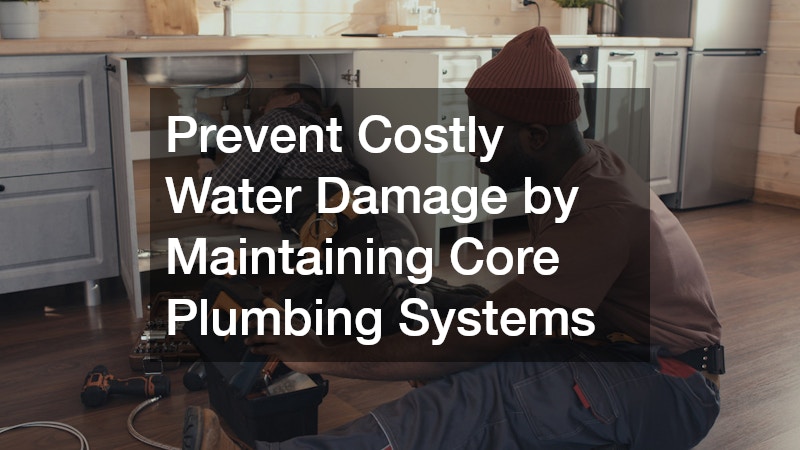
Water systems are among the most critical components of any home, yet they are often ignored until a problem becomes visible. Small leaks or pressure changes can quickly escalate into structural damage if not addressed early.
A qualified plumbing contractor can identify hidden issues that homeowners might overlook. These professionals are trained to detect inefficiencies in pipes, fixtures, and drainage systems before they turn into costly repairs.
Warning signs to watch for include:
- Unexpected increases in water bills
- Damp spots on walls or ceilings
- Reduced water pressure in multiple fixtures
- Unusual sounds in pipes
Water line issues are particularly serious because they affect the entire home’s water supply. Water line repair may be necessary if there are signs of underground leaks or contamination risks.
Preventative strategies:
- Inspect visible pipes regularly for corrosion or leaks
- Avoid flushing non-degradable materials
- Monitor water pressure consistency
- Schedule annual plumbing inspections
Routine care helps prevent water damage, mold growth, and foundation weakening. Early intervention is always more cost-effective than emergency repairs.
Protect Your Home’s Structure with Reliable Exterior Systems
The roof is one of the most important protective systems in any home. It shields the structure from weather, moisture, and temperature fluctuations. When it fails, the entire home becomes vulnerable to damage.
Common signs of roof issues include:
- Missing or damaged shingles
- Water stains on ceilings or upper walls
- Sagging roof areas
- Granule loss in gutters
Working with residential roofing professionals ensures that problems are properly diagnosed and addressed. These experts can determine whether repairs or full replacement is necessary.
Regular roofing services help extend the life of the structure by:
- Identifying early signs of deterioration
- Cleaning debris from gutters and roof surfaces
- Sealing small leaks before they spread
- Reinforcing weak structural points
Preventative maintenance tips:
- Inspect roof after storms or heavy winds
- Trim nearby trees to reduce debris buildup
- Keep gutters clean to prevent water pooling
- Check attic spaces for moisture signs
A well-maintained roof not only protects the home but also improves energy efficiency by reducing heat loss and water intrusion.
Build Outdoor Living Spaces That Add Function and Value
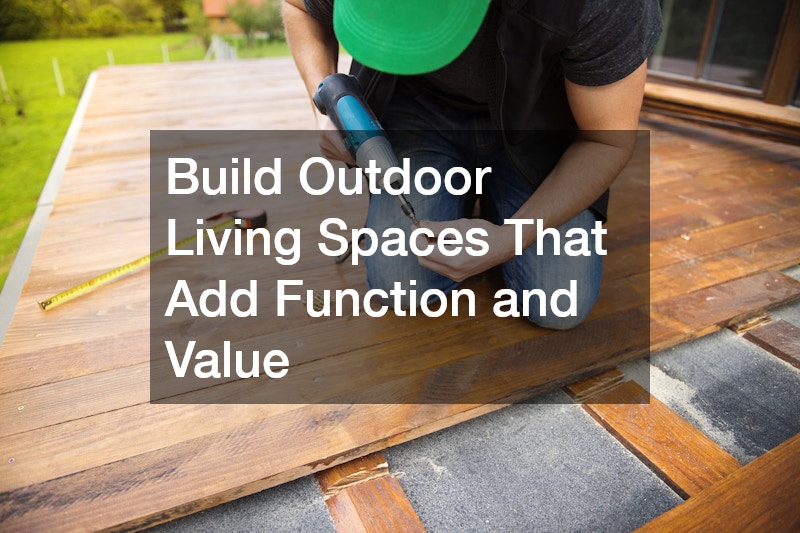
Outdoor spaces are increasingly important in modern home design, offering both functional and recreational value. A well-designed deck can significantly enhance lifestyle quality and property appeal.
Successful deck construction begins with planning. Homeowners should consider how the space will be used before choosing materials or layouts.
Key planning considerations:
- Intended use (entertaining, dining, relaxation)
- Sun exposure and weather conditions
- Accessibility from indoor spaces
- Structural support and load capacity
Material selection is equally important:
- Wood for natural appearance
- Composite materials for low maintenance
- Weather-resistant finishes for durability
Construction best practices:
- Ensure proper foundation support
- Allow for drainage and ventilation
- Use corrosion-resistant fasteners
- Follow local building codes
Maintenance tips:
- Clean surfaces regularly
- Inspect for loose boards or nails
- Reapply sealant as needed
- Protect from moisture buildup
A well-built deck increases usable living space and enhances overall property value.
Upgrade Interior Spaces with Smart Renovation Planning
Interior renovations require careful planning to avoid cost overruns and inefficiencies. Working with a home remodeling company helps ensure that projects are completed professionally and aligned with long-term goals.
Before starting any renovation:
- Define clear goals for the space
- Set a realistic budget
- Establish a timeline with flexibility
- Prioritize functionality over trends
Common renovation areas include:
- Kitchens and bathrooms
- Living room layouts
- Storage optimization
- Lighting and electrical upgrades
Coordination tips:
- Complete structural work before cosmetic changes
- Avoid overlapping multiple contractors unnecessarily
- Order materials in advance to prevent delays
A well-executed renovation improves both daily living and long-term property value.
Improve Indoor Air Quality and Kitchen Safety Systems
Kitchen ventilation systems play a major role in maintaining indoor air quality. Over time, grease, smoke particles, and airborne contaminants accumulate within hoods and exhaust ducts, reducing efficiency and increasing fire risk. What many homeowners don’t realize is that poor ventilation doesn’t just affect cooking comfort—it can also impact overall indoor air quality throughout the entire home. When contaminants are not properly removed, they circulate into adjacent living spaces, contributing to odors, humidity imbalance, and reduced air freshness.
Regular hood and exhaust cleaning is essential for both safety and performance. In high-use kitchens, grease buildup can become a significant hazard if ignored, as it is highly flammable and can ignite under high cooking temperatures. Even in residential kitchens, slow accumulation over time can create airflow restrictions that strain the ventilation system.
Common signs of buildup:
- Lingering cooking odors that remain long after meals
- Reduced airflow from the exhaust system
- Visible grease accumulation on filters or nearby surfaces
- Increased humidity or condensation in kitchen areas
Maintenance recommendations:
- Clean filters regularly, especially in frequently used kitchens
- Schedule deep cleaning of ducts and internal components periodically
- Inspect ductwork for blockages or grease buildup
- Ensure proper ventilation function during high-heat cooking
Beyond routine cleaning, homeowners should also pay attention to system design and usage habits. For example, using high-heat cooking methods without activating ventilation can accelerate buildup. Similarly, failing to replace worn filters reduces system efficiency significantly. Upgrading to modern filtration systems or higher-capacity exhaust units may be necessary for households that cook frequently.
Proper maintenance improves air quality, reduces fire hazards, and extends equipment lifespan. It also creates a more comfortable cooking environment by minimizing heat, steam, and lingering odors. Over time, consistent care ensures that kitchen ventilation remains effective and safe, supporting the overall health of the home environment.
Maximize Storage and Efficiency in High-Use Home Areas
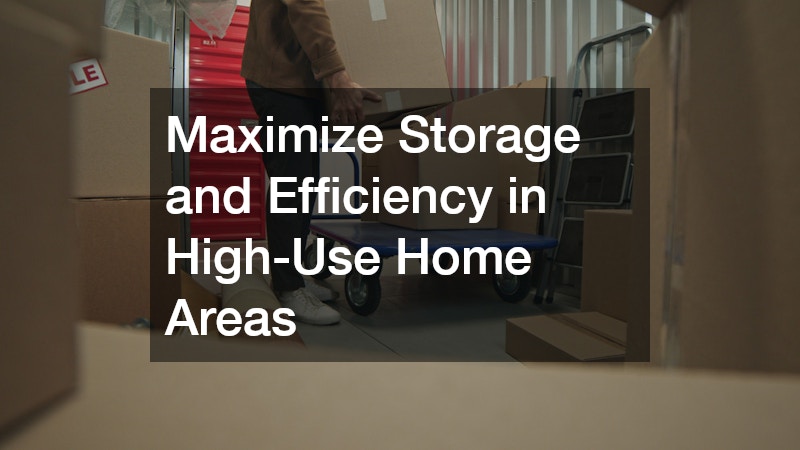
Garages often become cluttered over time, reducing functionality and efficiency. Without a structured organization system, these spaces quickly shift from useful storage areas into overcrowded zones where items are difficult to locate and maintain. This not only wastes space but also increases the likelihood of damage to tools, equipment, and seasonal belongings.
Professional garage organization services help transform these spaces into structured, usable areas by creating customized layouts that match homeowner needs. Instead of a one-size-fits-all approach, effective organization focuses on optimizing vertical space, improving accessibility, and separating functional zones.
Effective organization strategies include:
- Creating dedicated zones for tools, storage, and vehicles
- Installing wall-mounted shelving and pegboard systems
- Using overhead storage for seasonal or rarely used items
- Labeling storage containers clearly for easy identification
Additional strategies that improve long-term efficiency:
- Grouping similar items together based on usage frequency
- Installing durable flooring to withstand heavy equipment
- Adding proper lighting for visibility and safety
- Incorporating lockable storage for valuable tools
Benefits of organization:
- Improved accessibility to frequently used items
- Increased usable floor space for vehicles or work areas
- Reduced clutter and visual stress
- Better protection of stored items from damage or moisture
Maintaining organization requires ongoing effort. Over time, storage needs change as households acquire new tools, equipment, or seasonal items. Periodic review ensures that systems remain efficient and relevant. A well-maintained garage can also serve as an extension of living space, functioning as a workshop, hobby area, or storage hub without becoming overwhelming or disorganized.
Improve Interior Comfort with Durable Flooring Solutions
Flooring plays a major role in both aesthetics and functionality. Among available options, hardwood floor installation remains a preferred choice for homeowners seeking durability, long-term value, and timeless visual appeal. However, achieving lasting results requires careful planning, proper installation, and consistent maintenance.
Key considerations before installation:
- Selecting appropriate wood type based on lifestyle and traffic levels
- Ensuring proper subfloor preparation for stability and longevity
- Maintaining moisture control to prevent warping or expansion
- Choosing professional installation for precise alignment and finishing
Beyond aesthetics, hardwood flooring contributes to improved indoor air quality compared to carpeted surfaces, as it does not trap dust, allergens, or pet dander as easily. This makes it a practical option for households focused on cleaner living environments.
Benefits of hardwood flooring:
- Long-lasting durability with proper care
- Easy maintenance with simple cleaning routines
- Increased property value and buyer appeal
- Timeless appearance that complements various interior styles
Maintenance tips:
- Clean regularly using appropriate wood-safe products
- Avoid excess moisture exposure or standing water
- Use protective pads under furniture to prevent scratches
- Refinish surfaces periodically to restore appearance
Additional care considerations include controlling indoor humidity levels, as extreme fluctuations can affect wood stability over time. Area rugs in high-traffic zones can also help reduce wear while preserving the floor’s appearance.
Proper installation and care ensure long-term performance. When maintained correctly, hardwood flooring can last for decades, making it both a functional and investment-friendly choice for homeowners seeking durability and style.
Coordinate Multiple Home Projects for Maximum Efficiency
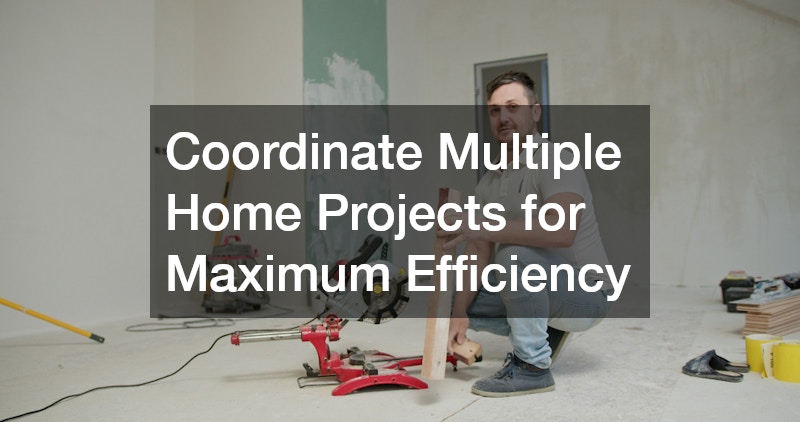
Managing multiple home projects requires organization and clear communication. Without coordination, delays and cost overruns become more likely.
Best practices:
- Develop a master schedule
- Group related projects together
- Communicate timelines clearly with contractors
- Track progress consistently
Efficient coordination reduces disruption and improves overall results.
Budgeting for Repairs, Maintenance, and Long-Term Upgrades
Financial planning is essential for successful homeownership. Without a structured budget, maintenance costs can become unpredictable.
Budgeting strategies:
- Set aside emergency repair funds
- Prioritize essential systems first
- Compare contractor estimates
- Break large projects into phases
Tracking expenses helps improve future planning and financial stability.
Increase Property Value Through Strategic Improvements
Strategic upgrades significantly enhance both comfort and resale value. Buyers prefer homes that are well-maintained and structurally sound.
High-impact improvements include:
- Energy-efficient upgrades
- Structural repairs
- Exterior enhancements
- Interior modernization
Maintaining detailed records of improvements increases buyer confidence.
Conclusion: Creating a Reliable, Efficient, and Well-Maintained Home
A well-maintained home is the result of consistent effort, thoughtful planning, and proactive decision-making. Every system within a home plays a role in its overall performance, and when those systems are properly managed, they work together to create a stable, efficient, and comfortable living environment.
One of the most important lessons in homeownership is that prevention is always more effective than reaction. Addressing small issues early—whether structural, mechanical, or cosmetic—prevents them from developing into larger, more expensive problems. This mindset not only protects the home but also reduces stress and financial uncertainty over time.
Coordination is equally important. Homes function as interconnected systems, meaning that improvements in one area often affect others. For example, exterior upgrades can influence energy efficiency, while plumbing issues can impact structural integrity. Understanding these relationships allows homeowners to make smarter, more informed decisions.
Long-term success also depends on consistency. Regular inspections, seasonal maintenance, and planned upgrades ensure that the home continues to perform well as it ages. Without this ongoing attention, even well-built homes can decline in efficiency and value.
Finally, investing in your home is ultimately an investment in your quality of life. A well-organized, efficient, and properly maintained home provides comfort, security, and financial stability. With the right approach, homeowners can ensure their property remains a reliable and valuable asset for many years to come.