Matching Home Upgrades to the Climate Risks Unique to Your Region
Every region comes with its own set of climate stressors, from hurricane-force winds along the coast to blistering heat in the desert Southwest and heavy freeze-thaw cycles up north. Choosing home upgrades without factoring in your local risks can mean wasted money on the wrong solutions, or worse, a home that is unprepared when severe weather hits. This guide breaks down which upgrades matter most depending on where you live, so you can prioritize projects that actually protect your property. Whether you are dealing with flooding, wildfires, pests, or extreme temperatures, matching the fix to the actual threat is the smartest way to spend your renovation budget.
Coastal Wind and Storm Surge Protection
Homes near the coast face a unique combination of high winds, wind-driven rain, and storm surge that inland properties rarely encounter. Standard windows and entry doors are often the weakest point in a home’s defense during a hurricane, since a single breach can cause pressure changes that blow off roofs or collapse walls from the inside out. Once wind gets into a structure, it pushes upward on the roof deck with tremendous force, which is why so much hurricane damage starts with one broken window or door rather than the roof itself. Upgrading to impact doors is one of the most effective ways to protect a home’s envelope, since they are built to withstand flying debris and sustained wind pressure without shattering. These doors typically feature laminated glass, reinforced frames, and multi-point locking systems rated to withstand impacts from a 9-pound 2×4 traveling at 34 miles per hour, the standard test used to simulate wind-borne debris. Impact-rated garage doors deserve the same attention, since garage doors are large surface areas that, once breached, can pressurize an entire home. Many coastal building codes now require this level of protection for new construction and major renovations, particularly within designated High-Velocity Hurricane Zones like South Florida, so checking local requirements before you buy is a smart first step. Homeowners outside strict code zones can still look for products rated to Miami-Dade County standards, widely considered the toughest in the country, as a benchmark for quality. Beyond doors and windows, pairing these upgrades with reinforced garage door bracing and storm shutters offers layered protection, and many insurers offer premium discounts for verified impact-resistant installations.
Beyond the doors themselves, homeowners should also think about how storm surge and flooding interact with the rest of the structure. Water intrusion often causes more lasting damage than wind, so mechanical equipment like HVAC condensers, water heaters, and electrical panels should be elevated above the base flood elevation for your area, sometimes by installing them on raised platforms or brackets 12 inches or more above expected surge levels. Sealing foundation penetrations where plumbing, gas lines, and cables enter the home with flood-rated sealants helps prevent water from wicking into wall cavities. Garage doors deserve special attention, since a standard residential garage door can fail under wind loads far below hurricane strength, allowing pressure to build inside the home and blow off the roof. Reinforcing with horizontal bracing kits or upgrading to a wind-rated door tested to withstand 130+ mph gusts closes one of the most common failure points in coastal homes. Combined with impact-rated windows and entry doors, this creates a continuous envelope of protection rather than one strong component surrounded by weak links. It is worth getting a professional wind mitigation inspection to identify weak points before storm season arrives. These inspections typically evaluate roof-to-wall connections, opening protection, and roof shape, and many insurers offer meaningful premium discounts once upgrades are documented. Addressing flagged issues, such as missing hurricane straps or unsealed soffit vents, before storm season gives contractors more scheduling flexibility and often costs less than emergency repairs made under storm-season demand.
Roof Systems Built for High Heat and UV Exposure
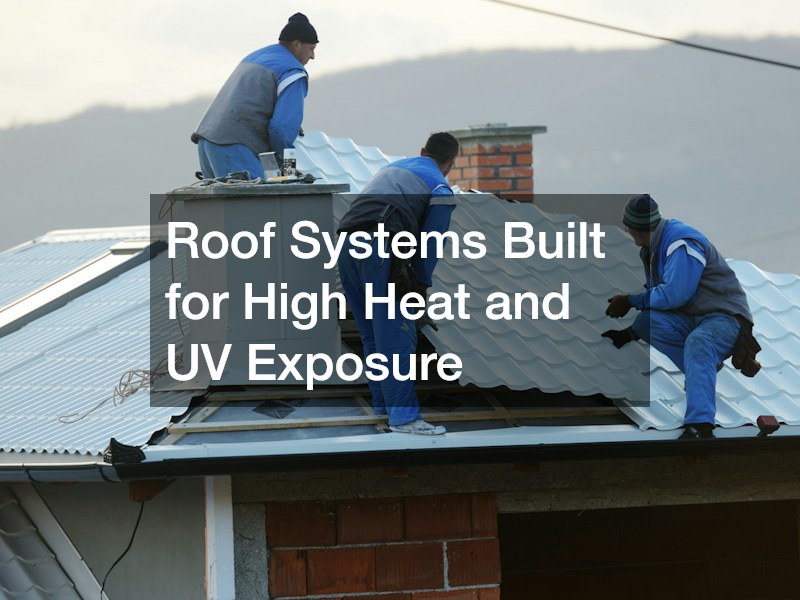
In hot, sun-drenched climates like the Southwest or Gulf Coast, roofing materials take a beating from intense UV rays, thermal expansion, and sudden downpours. A PVC roofing contractor can install membrane systems that reflect heat rather than absorb it, which helps reduce cooling costs while extending the lifespan of the roof itself. PVC roofing is especially popular on flat or low-slope roofs common in warmer regions because it resists ponding water and resists the cracking that plagues traditional asphalt in extreme heat.
Choosing the right roofing material is only half the equation, since proper installation and ongoing maintenance matter just as much. Regular inspections can catch seam separation or membrane wear before it turns into a leak, especially after a particularly hot or stormy season. Homeowners in high-UV regions should ask installers about warranty terms specific to heat exposure, since not all products perform the same way in extreme climates.
Freeze-Thaw Damage and Ice Dam Prevention
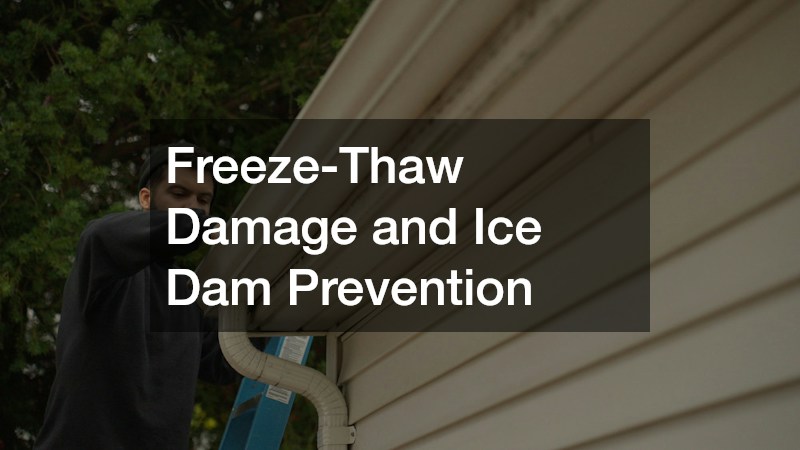
Northern and mountain climates deal with a different kind of stress entirely, as repeated freezing and thawing cycles cause materials to expand, contract, and eventually crack. This is especially hard on gutters, which can become clogged with ice and cause water to back up under shingles, leading to costly interior damage. Proper gutter installation with adequate pitch, secure fastening, and heat cable options in ice-prone areas can prevent this cycle from damaging the roofline year after year.
Homeowners in cold climates should also pay attention to attic insulation and ventilation, since poor airflow is often the hidden cause of ice dams. When warm air escapes into the attic, it melts snow on the roof unevenly, creating the perfect conditions for ice buildup at the eaves. Addressing insulation gaps alongside gutter upgrades tends to produce the best long-term results.
Roofing Choices for Wildfire-Prone Areas
In fire-prone regions of the West, roofing material choice can be the difference between a home that survives an ember shower and one that does not. Class A fire-rated roofing materials, along with noncombustible gutter guards and vent screens, significantly reduce the chance of ignition during wildfire season. Working with experienced roofing contractors who understand local fire codes ensures that materials and installation methods meet the standards required for defensible space certification in many wildfire zones.
- Choose Class A fire-rated shingles, tile, or metal roofing over wood shakes
- Install ember-resistant vents to block sparks from entering the attic
- Keep roof valleys and gutters clear of dry leaves and debris
- Consider noncombustible decking materials near the home’s perimeter
- Schedule annual inspections before peak fire season begins
Extreme Heat and Cooling System Reliability
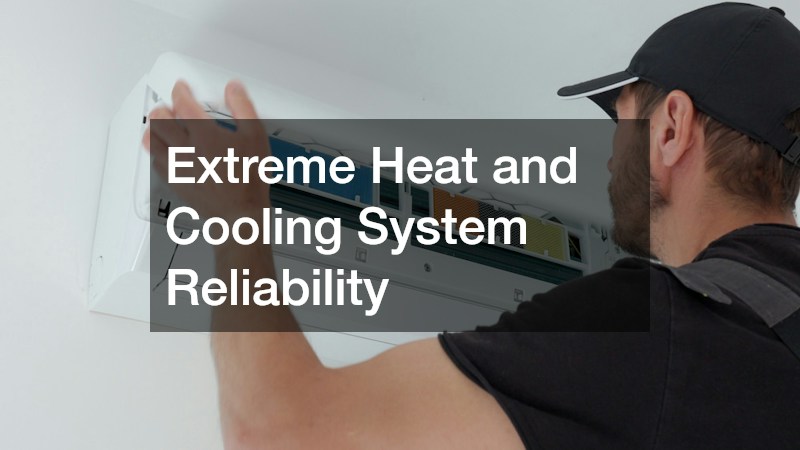
In regions where summer temperatures regularly climb past 100 degrees, a reliable cooling system is not a luxury but a safety necessity. Extended heat waves put vulnerable populations — young children, older adults, and anyone with respiratory or cardiac conditions — at real risk when air conditioning fails, so system reliability should be treated as a health and safety investment rather than just a comfort upgrade. Partnering with a qualified air conditioning contractor to size and install the right system for your home’s square footage and insulation level can prevent the unit from running constantly and wearing out prematurely. A proper Manual J load calculation accounts for window placement, ceiling height, local climate data, and even how many people typically occupy the home, producing a far more accurate sizing recommendation than a rule-of-thumb estimate based on square footage alone. Oversized or undersized systems both create problems, from excess humidity to skyrocketing energy bills, so professional load calculations matter more than picking the biggest unit available. An oversized unit cools the air quickly but shuts off before it can properly remove humidity, leaving rooms feeling clammy even at a low thermostat setting, while an undersized unit runs nearly nonstop during peak heat and still struggles to reach the target temperature. Beyond sizing, homeowners in extreme-heat regions should ask their contractor about SEER2 ratings, variable-speed compressors, and backup capacity for multi-day heat events. Pairing the new system with attic insulation upgrades, radiant barriers, or a smart thermostat can further reduce strain on the equipment and extend its working life by several years.
Even a well-installed system needs regular attention to keep performing through extended heat waves. Scheduling air conditioning repair at the first sign of reduced airflow, strange noises, or rising energy bills can prevent a small issue from becoming a full system failure during the hottest week of the year. A unit that’s short-cycling, blowing warm air intermittently, or struggling to hit the temperature on your thermostat is already telling you something is wrong. In regions where triple-digit days stretch on for weeks, that early attention matters even more, since compressors and condenser fans are working far past their normal duty cycle. Refrigerant leaks, clogged filters, and failing capacitors are among the most common culprits behind sudden breakdowns, and each tends to show early warning signs a technician can catch before the system quits entirely. Annual tune-ups before peak season are one of the cheapest ways to avoid an emergency breakdown when you need cooling the most. A typical pre-summer service — checking refrigerant levels, cleaning coils, testing electrical connections, and verifying airflow — usually runs far less than an emergency after-hours repair call in July. For homeowners in extreme-heat climates, it’s also worth asking a technician whether the system’s tonnage still matches the home’s cooling load, since aging units sized for a milder past can fall short during today’s more intense heat events.
Heavy Rain, Drainage, and Flood Mitigation
Regions with heavy seasonal rainfall or poor natural drainage face a constant battle against water intrusion, foundation erosion, and yard flooding. Civil contractors can assess a property’s grading and design drainage solutions such as French drains, swales, or retention areas that redirect water away from the foundation before it becomes a problem. This kind of site-specific engineering is especially important for homes built on clay soil or in low-lying neighborhoods where standing water is common after storms.
Improving drainage is not a one-time fix but an ongoing responsibility, particularly as landscaping changes over time. Homeowners should walk their property after heavy storms to look for pooling water, soil erosion, or gutter overflow that signals a drainage system is falling behind. Addressing these issues early is far less expensive than repairing a compromised foundation later on.
Septic System Resilience in Wet or Sandy Soil
Homes on septic systems face additional risks in regions with high water tables, sandy soil, or heavy rainfall, since saturated ground can prevent normal drainage and cause backups. Performance based septic systems are engineered to treat wastewater more thoroughly before it reaches the drain field, which makes them a better fit for challenging soil conditions than traditional systems. These systems use advanced treatment components to reduce the risk of contamination and system failure even when groundwater levels rise seasonally.
Choosing the right septic technology for your regional conditions can also affect long-term maintenance costs and environmental compliance. Many coastal and wetland areas now require these advanced systems for new construction specifically because they perform more reliably in marginal soil. Homeowners considering an upgrade should have their soil tested and consult local health department guidelines before selecting a system type.
Pest Pressure and Termite Risk by Region
Warm, humid climates create ideal conditions for termites, and the damage they cause is often invisible until it is extensive and expensive to repair. Effective termite control starts with reducing wood-to-soil contact around the home’s foundation and addressing moisture issues that attract colonies in the first place. Regular inspections are especially important in the Southeast and Gulf regions, where subterranean termites remain active year-round rather than going dormant in cooler months.
Prevention is far more affordable than remediation once termites have established themselves in structural wood. Homeowners should look for mud tubes along the foundation, discarded wings near windows, and hollow-sounding wood as early warning signs. Scheduling a professional inspection annually, particularly after a home purchase or major landscaping change, helps catch problems before they compromise structural integrity.
Kitchen and Interior Upgrades That Improve Resilience
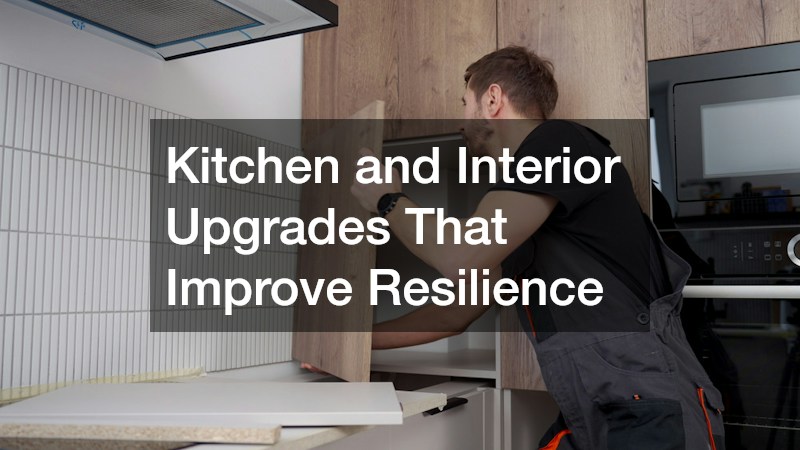
While structural upgrades often get the most attention, interior renovations can also be designed with regional climate risks in mind. A kitchen remodeling project in a flood-prone area, for example, might include raising outlets, choosing water-resistant cabinetry materials, and selecting flooring that can survive occasional moisture exposure. In wildfire regions, homeowners might prioritize noncombustible countertop materials and ventilation systems that filter smoke particles during air quality events.
Thinking about climate resilience during a remodel does not mean sacrificing style or functionality. Many manufacturers now offer moisture-resistant, fire-resistant, and pest-resistant materials that look identical to traditional options while offering significantly better performance. Working these considerations into the design phase, rather than as an afterthought, tends to produce better results and fewer surprises down the road.
Protecting your home starts with understanding the specific risks tied to your climate, not applying generic upgrades that may not address your biggest vulnerabilities. Take time to research the weather patterns, soil conditions, and pest pressures common in your area, then prioritize upgrades that directly target those risks. Consulting with qualified local professionals for inspections and installations ensures your investment actually performs when it matters most. A little research now can save significant money and stress the next time severe weather or seasonal conditions put your home to the test.