What Material Should You Choose for Your Homes Roof?
Choosing a new roof is one of the most significant and consequential investments a homeowner will ever make. It is a decision that impacts your property for decades, affecting everything from structural safety and energy efficiency to curb appeal and resale value. Your roof is not just a cosmetic feature; it is a complex engineering system designed to protect your family and your belongings from the harshest elements nature can throw at it.
When it comes time for a replacement, many homeowners are surprised by the sheer volume of options available on the modern market. The days of simply choosing between a few shades of standard asphalt shingles are long gone. Today, you must navigate a landscape of advanced synthetics, structural metals, traditional clays, and modern eco-friendly solutions. Each material brings its own unique set of advantages, lifespans, installation challenges, and price points. Making the right choice requires a careful balance of your budget, your home’s architectural style, local weather patterns, and your long-term property goals. This comprehensive guide breaks down everything you need to know to select the perfect roofing material for your home.
Comparing Roofing Materials Based on Durability and Lifespan
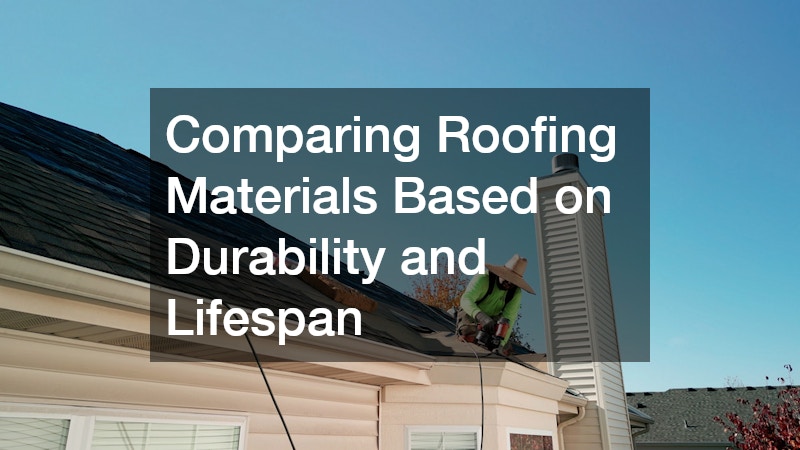
When evaluating roofing materials, longevity is usually the primary factor on a homeowner’s mind. A roof that needs to be replaced every fifteen years presents a vastly different long-term financial picture than one that can last for over half a century. While standard three-tab asphalt shingles remain the budget standard, offering a lifespan of roughly fifteen to twenty years, they sit at the bottom of the durability spectrum.
If your goal is permanent structural durability, a modern metal roof has become one of the most popular upgrades in residential construction. Metal roofing systems, whether constructed from aluminum, steel, or copper, are highly resistant to cracking, shrinking, and eroding. They boast an impressive lifespan of forty to seventy years, meaning it could easily be the last roof you ever have to install on your home. Furthermore, metal systems offer superior resistance to high winds, heavy snow loads, and wildfire sparks, making them an incredibly resilient shield for your home’s infrastructure.
Evaluating Installation Requirements Before Making a Decision
The material you choose dictates the complexity, weight, and safety protocols of the actual installation process. You cannot simply swap one roofing type for another without considering whether your home’s existing structural frame can support it. Heavy materials like traditional slate or clay tile can add thousands of pounds of dead weight to your rafters, often requiring additional structural reinforcement before installation can legally begin.
Before purchasing materials, it is critical to work with an elite roofing contractor to perform a comprehensive structural load analysis of your home. A professional contractor can assess your current decking, rafter configuration, and attic ventilation. They will ensure that the installation complies with local building codes and manufacturer warranties. Choosing a material without understanding its structural installation requirements can lead to sagging rooflines, compromised foundations, and voided product warranties that leave you financially exposed if a failure occurs.
Choosing Options That Match Your Home’s Style
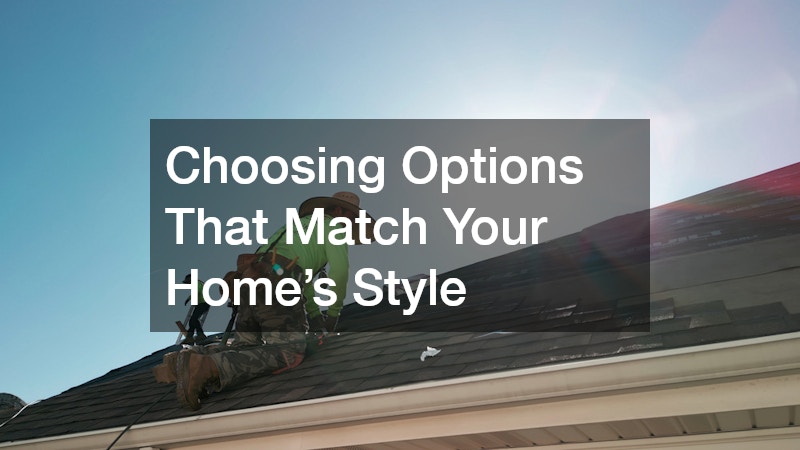
While structural integrity is paramount, aesthetics cannot be ignored. Your roof represents up to forty percent of your home’s visible exterior curb appeal. A material that looks magnificent on an ultra-modern minimalist home can look completely out of place on a historic Victorian or a rustic Craftsman bungalow. The right roof should complement your siding, windows, and surrounding landscape, creating a cohesive architectural statement.
Consulting with experienced residential roofers can help you bridge the gap between functionality and design harmony. For instance, if you own a Mediterranean or Spanish-style home, traditional barrel-shaped clay tiles are an architectural necessity to preserve the home’s authentic character. Conversely, a historic farmhouse might look best with a classic standing-seam metal profile. Modern manufacturers also create synthetic composite materials that mimic the luxurious texture of hand-split wood shakes or natural slate, allowing you to achieve a premium historical look without the high maintenance and structural weight of the original materials.
Understanding the Cost Differences Between Materials
Roofing costs are viewed through two distinct lenses: the upfront installation cost and the long-term lifecycle cost. It is tempting to make a decision based strictly on the lowest initial estimate, but this cheap fix often becomes more expensive over time due to frequent repairs and early replacements.
When you sit down with a roofing material supplier, ask for a lifecycle cost analysis of the materials you are considering. Standard architectural shingles have a low upfront cost but a higher lifecycle cost because they must be replaced multiple times over a sixty-year period. On the flip side, premium materials like metal, slate, or concrete tile require a substantial initial investment but carry a negligible lifecycle cost because they endure for generations. Understanding these financial dynamics allows you to choose a material that aligns with your current liquid budget while maximizing your home’s equity and long-term value.
Considering Climate and Weather Conditions in Your Area
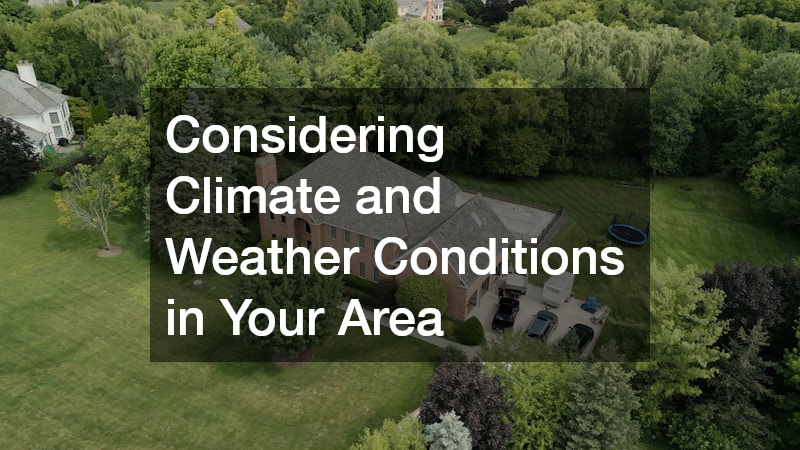
Your geographic location plays a massive role in how a roofing material behaves over time. A roof in a sun-drenched, humid coastal region faces completely different threats than a roof in a northern climate subject to sub-zero temperatures, heavy ice accumulation, and high winds. Choosing a material that is poorly suited to your climate will lead to premature degradation and mechanical failure.
Working with residential roofing companies within your immediate community is invaluable because they understand local environmental stressors. If you live in an area prone to severe hailstorms, companies will likely steer you toward impact-rated Class 4 shingles or heavy-gauge steel panels that resist denting and cracking. For regions plagued by high humidity and constant rainfall, a material that resists algae growth, rot, and moss accumulation—such as copper-infused shingles or glazed tiles—is essential to prevent the organic growth that eats away at roofing adhesives and underlayment layers.
Reviewing Long-Term Maintenance Needs Before Installation
Every roofing material requires some degree of ongoing stewardship, but the frequency and intensity of that care vary wildly. Some systems are virtually set it and forget it, while others demand annual inspections, cleanings, and resealing to maintain their protective qualities and validate their product warranties.
Before committing to a specific material, evaluate your willingness to invest in ongoing roofing services. Wood shakes, while undeniably beautiful, require regular treatments with fire retardants and preservatives, alongside frequent debris removal to prevent rot. Metal roofs, by contrast, require very little maintenance beyond checking the rubber gaskets on exposed fasteners every decade. Asphalt shingles fall somewhere in the middle, requiring periodic inspections for wind damage and moss treatment. Factoring the cost and labor of future maintenance into your initial decision prevents your new roof from becoming a stressful, time-consuming chore down the road.
Finding Professionals With Experience in Specific Materials

The performance of any roofing material is only as good as the quality of its installation. A premium, expensive material installed by an inexperienced crew will still leak, warp, and fail prematurely. Different roofing systems require completely different tools, flashing techniques, and safety gear. An installer who spent twenty years laying asphalt shingles may not understand the precision expansion-and-contraction allowances required for a standing-seam metal system.
When vetting contractors, focus on finding a local roofing contractor who possesses specific manufacturer certifications for the precise material you have selected. For example, if you choose a specialized synthetic composite or a stone-coated steel roof, look for an installer who has been explicitly trained and certified by that material’s creator. Certified contractors can offer extended warranties that cover both material defects and installation labor, providing you with an ironclad layer of financial security that uncertified laborers cannot match.
Exploring Premium Roofing Options for Distinctive Designs
For estate homes, custom builds, or historic restorations, standard roofing options often fail to deliver the architectural grandeur and elite performance the property demands. Exploring premium historical materials can elevate your home from a standard residence to a stunning architectural landmark, providing unparalleled durability in the process.
If your design goals favor timeless luxury, consulting with a certified tile roofer opens up a world of high-end design possibilities. Authentic clay, slate, and concrete tiles offer incredible textural depth, creating heavy shadow lines that give a roof a three-dimensional appearance. These materials are completely fireproof, impervious to rot and insect damage, and can easily endure for over a century. A skilled tile craftsman can create custom valley weaves, intricate ridge caps, and blended color palettes that transform the top of your house into a custom work of art that retains its value and beauty for generations.
Improving Energy Efficiency With Modern Roofing Solutions
In the modern era of homeownership, a roof is expected to do more than just block rain; it is expected to serve as a critical component of your home’s thermal boundary. Your roof absorbs a massive amount of solar radiation throughout the day. If that heat is allowed to transfer into your attic space, it forces your air conditioning system to work overtime, driving up your energy bills and accelerating the wear on your HVAC equipment.
To combat this thermal transfer, many homeowners are turning to advanced seamless options like spray foam roofing for specific architectural structures or deep energy retrofits. Spray polyurethane foam is applied as a liquid that expands into a solid, continuous layer, serving as both an ultra-high insulation blanket and a completely waterproof roofing membrane. By eliminating seams, joints, and mechanical fasteners, spray foam eliminates the thermal bridges where heat escapes or enters the home. This modern solution seals your home’s envelope perfectly, lowering your monthly energy consumption significantly while providing flawless waterproofing defense.
Identifying Materials Suitable for Low-Slope Roof Structures
Architectural design elements like mid-century modern lines, low-slope home additions, or covered porches often incorporate roofs that are nearly flat. These structures cannot utilize standard shingles or tiles. Shingles rely on gravity and a steep slope to shed water down the roof deck; on a flat surface, water will pool, backing up under the overlapping seams of shingles and causing immediate leaks.
Low-slope or flat areas require a specialized approach focused on continuous, monolithic membranes rather than overlapping pieces. Materials like rubber, thermoplastic, or modified bitumen are engineered explicitly to handle standing water and constant UV exposure. If your home features these modern architectural geometries, establishing a relationship with a specialist in flat roof repairs and installation is vital. These professionals utilize hot-air welding or heavy-duty chemical bonding to fuse the seams of the membrane together, creating a seamless, rubberized basin that keeps water out of your home, regardless of how flat the structural pitch is.
Assessing Environmental Sustainability and Eco-Friendly Benefits
As the construction industry shifts toward sustainable practices, modern homeowners are increasingly examining the environmental footprint of their structural choices. A roof should not only protect your property but also align with your household’s environmental values. Standard materials, particularly traditional asphalt shingles, contribute millions of tons of waste to landfills annually and require fossil fuels for their production. Evaluating the ecological lifecycle of your materials—including their post-consumer recyclability, manufacturing emissions, and carbon footprint—is a critical component of a forward-thinking property renovation.
If reducing your environmental impact is a primary goal, speaking with a certified local roofing contractor will reveal several eco-friendly avenues. For instance, a metal roof is highly sustainable because it is typically manufactured from recycled steel or aluminum and is entirely recyclable at the end of its long operational life. Other sustainable advancements include composite shingles made from post-industrial plastics and rubber, or clay tiles sourced from natural earth minerals. Incorporating these green materials into your project not only preserves natural resources but also boosts your home’s long-term resale appeal, as eco-conscious home buyers increasingly prioritize green building features in their property searches.
Selecting the right roofing material for your home is a multifaceted decision that requires you to look far beyond the surface appearance of a product sample. By carefully comparing materials based on their actual lifespans, structural weight limitations, climate resilience, and long-term maintenance needs, you shield your home from unexpected structural damage and financial strain.
Treat your roof as a long-term investment in your property’s future. Whether you choose the structural permanence of a metal roof, the timeless luxury of clay tiles, or the modern thermal efficiency of advanced membranes, ensure your materials are paired with the craftsmanship of a certified local roofing contractor. When high-quality materials are installed with technical precision, your roof ceases to be a source of maintenance anxiety and becomes what it was always meant to be: a beautiful, reliable, and permanent shield that protects your family and your peace of mind for decades to come. Take the time to analyze your options today, and you will enjoy a safe, efficient, and stunning home for a lifetime.