Do I Actually Need Roof Repair?
In this article, we will explore the various facets surrounding the necessity of roof repairs. Homeowners often face uncertainties regarding when and why they should consider taking steps to repair their roofs. This guide will help you understand the signs, costs, types, benefits, and DIY possibilities related to roof repairs.
What Are the Signs That My Roof Needs Repair?
Recognizing the signs that your roof needs repair is crucial in maintaining a safe and secure home environment. Common indicators include missing or damaged shingles, which compromise the integrity of your roof and can lead to leaks. If you’ve noticed water stains on your ceiling, this could point to a problem with your roofing system that requires immediate attention. Mold and mildew growth is another significant sign, often resulting from trapped moisture and poorly ventilated spaces. Finally, a sudden spike in energy bills could suggest that your roof’s insulation is inadequate, necessitating repair or replacement.
Understanding these signs can help you take proactive steps before a minor issue becomes a costly repair. Regular inspection, especially after severe weather conditions like hail or heavy rain, is a good practice for homeowners to adopt. Even small leaks can lead to significant structural damage over time, making early detection vital. Employing a professional roofing contractor for an annual checkup can ensure that potential issues are caught early. Being informed about these common signs will empower you to protect your investment and maintain the value of your property.
Attention to detail is crucial when evaluating whether your roof needs repair. Sometimes, the signs can be subtle, such as granules from shingles accumulating in gutters. This could indicate that your shingles are degrading and may need replacement. Furthermore, if daylight is visible through the roof boards when accessed from the attic, it indicates that your roof is compromised. The presence of sagging could also be indicative of structural issues that might require more than just a simple repair. Staying vigilant and addressing these signs promptly will help extend your roof’s lifespan and ensure your home’s structural integrity.
How Much Does Roof Repair Cost?
The cost of roof repair varies significantly based on several factors, including the extent of the damage and the type of roofing material. For minor repairs, homeowners can expect to pay a few hundred dollars, while more extensive damage can run into thousands. The location of the home also influences price variability due to labor costs and material availability. The average cost for a roof repair tends to be between $300 to $1,200, with more complex issues reaching the higher end of the spectrum. Understanding these costs helps homeowners budget appropriately and plan maintenance accordingly.
An often-overlooked aspect in roof repair cost calculation is the role of regular maintenance in preventing more expensive repairs down the line. By investing in routine inspections and minor repairs, homeowners can mitigate the risk of significant damage that requires costly fixes. In recent times, many roofing contractors offer package deals that include periodic inspections and discounted repair rates, providing value for money and peace of mind. Additionally, insurance might cover some of the repair costs if damage is due to unforeseen events. Familiarizing yourself with your insurance policy and what it covers can significantly aid in controlling out-of-pocket expenses.
While initial repair costs might seem daunting, they are essential to maintaining the overall health of your property. Investing in quality repairs can enhance the curb appeal and market value of your home. Furthermore, energy-efficient repairs, like upgrading insulation or installing reflective coatings, can lead to long-term savings on energy bills. If budgeting is a concern, many homeowners opt for financing options provided by contractors, making it easier to manage the financial impact of roof repairs. Overall, understanding the cost implications and financial options available enhances decision-making for roof maintenance.
What Types of Roof Repairs Are Most Common?
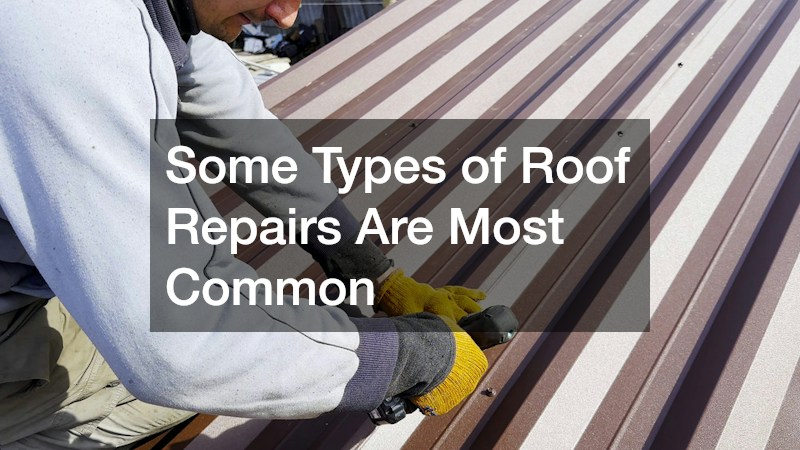
Common roof repairs vary, but they typically include replacing damaged shingles, addressing leaks, and repairing flashing. Shingles can become loose or damaged due to high winds, impacting the roof’s ability to protect against weather elements. Leaks often occur around areas where the roof has been punctured, such as around skylights, chimneys, and vent pipes. Flashing, which seals roof components, can corrode or become displaced over time, allowing water to seep into the home. Regular maintenance and inspections can identify these issues early, helping prevent more extensive damage.
Another frequent repair is gutter repair, which can be integral to maintaining a healthy roofing system. Clogged or damaged gutters can lead to water pooling on the roof, fostering mold growth and drip through roofing materials. Keeping gutters clean and in good repair ensures that water is directed away from the home’s foundation. In colder climates, roof repairs also often address issues related to ice dams, which can lead to significant shingle and structural damage. Proper insulation and ventilation are key strategies to prevent ice dams, highlighting the interconnectedness of different roofing components.
Replacing or repairing roof membranes is a critical repair for flat or low-slope roofs. These membranes protect against leaks, and wear and tear can lead to significant moisture issues. Repairing these membranes involves applying a new layer or fixing seams that have come apart. In newer homes, updating underlayment materials that have failed is becoming an increasingly common repair due to improper installation methods in the past. Homeowners with newer homes should be aware of these potential issues and consult with professional contractors to assess their roof’s health continually.
What Are the Benefits of Roof Repair?
Roof repair offers numerous benefits that go beyond just stoppage of leaks or fixing apparent issues. Immediate repairs can prevent water infiltration, which can compromise structural elements and lead to mold growth, thereby improving indoor air quality. A well-maintained roof enhances the aesthetic appeal of your home, significantly increasing its market value, particularly important if you plan on selling. Furthermore, addressing small issues early on prevents them from developing into much larger, more costly repairs. The peace of mind that comes from knowing your home is protected is a significant intangible benefit for any homeowner.
Energy efficiency is another significant advantage of roof repair. An adequately repaired roof ensures that heating and cooling systems work more efficiently, reducing energy costs. Many modern repair solutions involve materials that reflect more sunlight, keeping interiors cooler and reducing air conditioning expenses during summer months. For instance, repairing attic insulation boosts energy efficiency by effectively regulating the temperature, decreasing the reliance on heating systems in winter. These long-term savings on utility bills can offset the initial repair costs, rendering the investment worthwhile over time.
The environmental impact is also an important consideration when it comes to roof repairs. Modern repair materials and methods often incorporate eco-friendly solutions, such as using recyclable materials and improving energy efficiency. By extending the lifespan of the existing roof through repairs, homeowners contribute to reducing waste generated by roof replacements. Additionally, improved insulation and water management systems reduce the carbon footprint linked to home energy use. Thus, roof repair proves to be both a financially wise and environmentally responsible decision for safeguarding your home.
Can I Do Roof Repairs Myself?
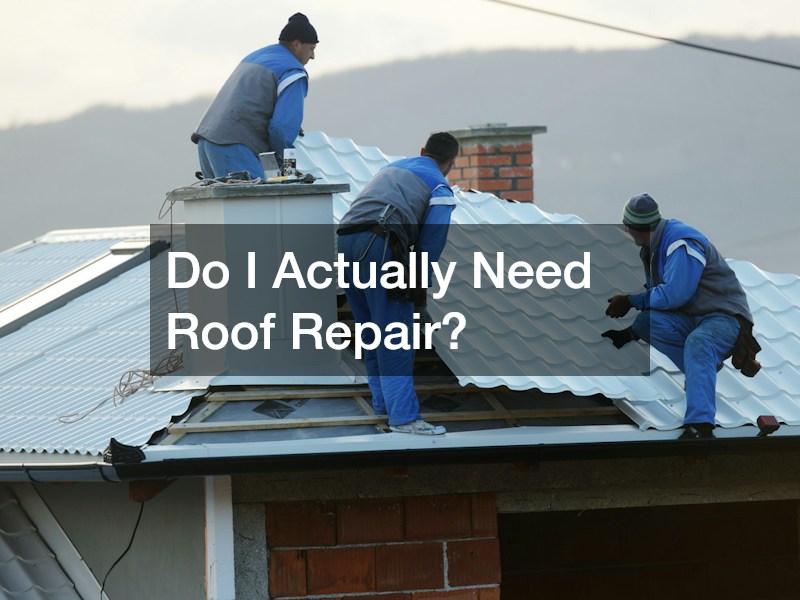
While some homeowners prefer to take on roof repairs themselves, assessing the practicality and safety before doing so is crucial. DIY repair can be risky, especially on steep or high roofs, where safety equipment should be used. Minor tasks, such as replacing a few loose shingles or cleaning gutters, might be manageable without professional assistance. However, more involved repairs, like addressing leaks or replacing significant roof sections, require expert knowledge to ensure quality and durability. Even when feasible, DIY repairs may void warranty agreements from certain manufacturers.
Before embarking on a DIY project, it is essential to evaluate the skill level required and the tools needed. Many roofing problems necessitate specialized equipment and materials to be effectively repaired, which are not always available to homeowners. Additionally, accurate diagnosis of roofing issues is imperative to apply the correct repair method. It is advisable to consult with a professional initially to gain an understanding of the problem’s extent. Home improvement stores often offer workshops and advice to assist novice DIYers in making informed and safe repair decisions.
Another critical aspect to consider when contemplating DIY roof repairs is time investment. Repairing a roof can be time-consuming, and for individuals with full-time obligations, entrusting these repairs to a professional can be a more practical solution. Additionally, professionals provide guarantees for their work, offering homeowners recourse if issues arise after the repair. On the other hand, opting for professional maintenance plans could offer long-term cost savings by ensuring consistent quality checks and repairs. Ultimately, the balance between tackling DIY tasks and seeking professional help should depend on the complexity of the repair and personal skill level.
Understanding when and how to address roof repairs can extend the life of your roof while avoiding potential structural damage to your home. By recognizing the common signs, understanding costs, and knowing when to engage professional help, homeowners can make informed decisions that are both cost-effective and beneficial in the long run. Roof maintenance remains a critical aspect of home care, ensuring safety and comfort.