
Signs Your Home Needs Professional Attention Before Damage Spreads
A home rarely falls apart all at once. More often, trouble starts quietly. A stain appears near a ceiling vent. A drain takes longer than usual to empty. One bedroom feels warmer than the rest of the house. A few leaves collect around an outdoor unit, or a faint smell comes from a utility closet. These moments are easy to explain away, especially when daily life is busy.
The challenge is that many home problems spread behind surfaces before they become obvious. Moisture can move through drywall, flooring, insulation, framing, and cabinets. Mechanical systems can work harder than they should until one strained part causes another to fail. Outdoor damage can reach interior rooms long before a homeowner sees a serious leak.
Paying attention early does not mean panicking over every noise or mark. It means learning which signs deserve a closer look and knowing when professional help can prevent damage from spreading. A timely inspection or repair can protect your budget, your comfort, and the long-term condition of your home.
Recognize Early Water Problems Before They Escalate

Water is one of the most damaging forces inside a house because it travels. A small leak under a sink may soak the cabinet base first, then reach the flooring, then spread beneath nearby walls. A dripping supply line behind a washing machine can create mold before anyone notices a puddle. Even a minor plumbing issue can become expensive when it remains hidden.
One of the first warning signs is a change in water pressure. If pressure drops suddenly in one area, there may be a fixture issue, pipe blockage, or hidden leak. If the entire house loses pressure, the concern could be larger. Discolored water, metallic smells, bubbling paint, warped flooring, and damp baseboards should also be taken seriously.
Hot water problems deserve the same attention. If your shower turns cold quickly, the tank makes popping sounds, or hot water appears rusty, the system may need water heater repairs before the problem worsens. Sediment buildup, worn heating elements, corrosion, and valve problems can all reduce performance. Waiting too long can lead to leaks or complete failure.
Homeowners can safely check a few things before calling for help. Look around visible pipes, inspect the area near the water heater, and watch for moisture around toilets, tubs, sinks, and appliances. A dry paper towel placed under a suspicious pipe can reveal slow drips over several hours.
Still, some signs call for a local plumber right away:
- Water stains that grow or darken
- A sudden increase in the water bill
- Soft drywall or spongy flooring
- Sewage odors near drains
- Water around the base of the water heater
- Repeated leaks from the same fixture
The goal is not just to stop the visible problem. A professional can determine whether the damage has reached nearby materials and whether the issue is part of a larger system failure.
Pay Attention to Drainage Issues That Signal Bigger Problems
A slow drain may not seem urgent. Many homeowners try a plunger, pour in a store-bought cleaner, and move on. Sometimes that works for a simple surface clog. But when drains slow down repeatedly, the house may be giving a warning that something deeper is happening.
Drainage problems often follow a pattern. First, one sink drains slowly. Then the shower gurgles after the washing machine runs. Later, a toilet bubbles when another fixture is used. These signs may point to a blockage or damage farther down the line rather than a simple clog near the drain opening.
This is where professional diagnosis matters. Experienced plumbers can tell the difference between a fixture-level clog and a system-wide issue. Roots may have entered an underground pipe. Grease buildup may be narrowing the line. Older pipes may be cracked, sagging, or separated. If the wrong repair approach is used, the problem can keep coming back.
Sewer line camera inspections are especially useful when symptoms repeat. Instead of guessing, a camera can show what is happening inside the pipe. That helps identify roots, collapsed sections, heavy buildup, or offsets in the line. It can also prevent unnecessary digging because the problem area can be located more precisely.
A practical way to think about drainage issues is this: one clog may be an inconvenience, but recurring clogs are information. They are the home’s way of saying the system needs attention.
Watch for these clues:
- Several drains slowing at the same time
- Gurgling sounds after water runs
- Sewage odors indoors or outdoors
- Wet patches in the yard near sewer lines
- Toilets that back up without a clear reason
- Drain problems that return soon after cleaning
Ignoring drainage issues can allow wastewater to back up into tubs, showers, and lower-level rooms. At that point, the repair is no longer only about pipes. It may involve flooring, drywall, sanitation, and odor removal. Acting early keeps the problem smaller.
Watch for Cooling Problems Before System Failure
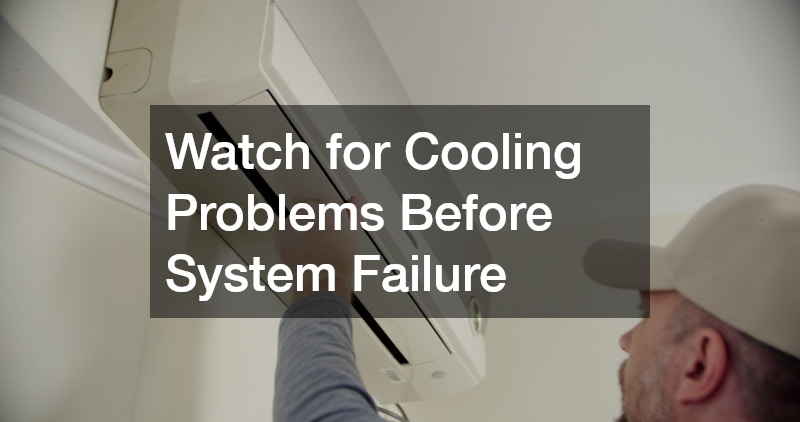
Cooling systems often give warnings before they stop working. The trouble is that those warnings can feel minor at first. Maybe one room stays warmer than the others. Maybe the system runs longer than usual during the afternoon. Maybe the air coming from the vents feels cool, but not as cold as it used to.
These signs matter because air conditioning equipment depends on balance. Airflow, refrigerant levels, electrical components, coils, filters, and thermostats all need to work together. When one part struggles, the rest of the system may compensate until wear builds up.
For example, a clogged filter can restrict airflow. Reduced airflow can cause coils to freeze. Frozen coils can reduce cooling even more and place stress on the equipment. What began as a simple maintenance issue can turn into a repair call if it continues too long.
Homes with a mini split may show different warning signs. A wall-mounted unit may leak, blow weak air, develop odors, or fail to maintain the set temperature. Because these systems serve specific zones, homeowners may dismiss the issue as a room-by-room comfort problem. But unusual noises, ice, drainage trouble, or declining performance should be checked before the unit is damaged further.
When cooling problems appear, start with simple observations:
- Replace or check the air filter.
- Make sure vents or indoor units are not blocked.
- Confirm the thermostat settings.
- Look for ice, moisture, or unusual sounds.
- Notice whether the problem affects one area or the whole house.
If the issue remains, ac repairs may be needed to address electrical parts, refrigerant concerns, fan problems, or drainage issues. Delaying service can increase energy bills and shorten the life of the system. It can also leave the home uncomfortable during the hottest part of the season, when repair schedules may already be full.
Address Indoor Comfort Changes Before They Become Safety Concerns
Heating issues are easy to ignore when the weather is mild. A furnace that cycles strangely in October may not feel urgent. A heat pump that struggles on cool mornings may seem manageable. But heating problems can become more serious when temperatures drop and the system has to work harder.
A home’s heating system affects more than comfort. Depending on the equipment, delayed repairs may raise concerns about electrical components, gas connections, combustion, ventilation, or carbon monoxide safety. Even when the issue is not dangerous, an inefficient system can drive up utility costs and create uneven temperatures throughout the house.
A homeowner might notice the first signs during an ordinary evening. The living room feels comfortable, but the back bedroom stays cold. The system turns on, shuts off quickly, then starts again a few minutes later. A burning smell lingers longer than expected. These are not always emergencies, but they should not be ignored.
Heating repair is often most effective before the system fails. A technician can check burners, ignition parts, blower motors, heat exchangers, electrical connections, filters, and thermostat function. Small adjustments or part replacements can restore performance and prevent strain.
Some warning signs deserve prompt attention:
- Loud banging, grinding, or screeching sounds
- Heat that turns on and off too frequently
- Cold air from vents during a heating cycle
- Unusual odors that do not fade quickly
- Pilot light or ignition problems
- Rising energy bills without a clear explanation
It is also wise to test the system before cold weather arrives. Turn it on early in the season and let it run long enough to confirm that it heats evenly. That simple step can reveal problems while there is still time to schedule service without the pressure of an emergency.
Identify Exterior Damage Before It Reaches the Interior

Exterior damage can be deceptive. From the ground, a home may look fine even when the roof, flashing, gutters, or siding are allowing moisture to enter. By the time a ceiling stain appears, water may already have passed through several layers.
A roof inspection can help identify issues that are difficult to see from below. Missing shingles, cracked sealant, lifted flashing, soft decking, clogged valleys, and storm damage may all create entry points for water. After strong winds, hail, falling branches, or heavy rain, even a quick professional assessment can prevent hidden damage from spreading.
Homeowners should still watch for clues inside and outside the home. Indoors, look for yellow or brown ceiling stains, peeling paint near upper walls, musty smells in the attic, or damp insulation. Outdoors, check for granules in gutters, damaged shingles, sagging areas, loose flashing, and water spilling over clogged gutters.
One common mistake is assuming that a small stain is old or harmless. If the stain changes after rain, grows larger, or feels damp, it is active. Even if it dries, the source still needs to be found. Moisture that enters through the roof can damage framing, insulation, drywall, and electrical components.
The best approach is preventive. Keep gutters clear. Trim branches away from the roofline. Look in the attic after major storms. Pay attention to rooms below roof valleys, chimneys, skylights, and vents because these areas are common leak points.
Exterior problems often feel separate from indoor comfort, but they are connected. A leak can affect insulation, which affects heating and cooling. Water intrusion can create mold, which affects indoor air quality. Catching the issue outside is almost always easier than repairing the damage inside.
Catch Backyard Problems Before They Become Expensive
Pools add comfort and enjoyment to a home, but they also need close attention. A pool problem can start as cloudy water, a small crack, or equipment that sounds different than usual. Left alone, it can become a leak, surface damage, pump failure, or a larger repair.
Regular pool cleaning does more than keep the water looking clear. Proper cleaning helps prevent algae, staining, clogged filters, and chemical imbalance. When water chemistry is off for too long, it can damage liners, plaster, metal parts, pumps, heaters, and other equipment. What looks like a cosmetic issue may become a structural or mechanical concern.
Homeowners should pay attention to changes in water level. Some water loss is normal from evaporation and splash-out, especially in hot weather. But if the level drops quickly or consistently, there may be a leak. Wet spots around the pool, air bubbles in the return lines, or a pump that loses prime can also point to trouble.
Pool repair may be needed when cracks, leaks, faulty pumps, broken filters, or damaged surfaces appear. The earlier these issues are addressed, the less likely they are to affect surrounding patios, soil, plumbing lines, or equipment pads.
A helpful habit is to walk the pool area once a week. Listen to the pump. Look at the water. Check the tile line. Notice whether the surface feels rough or stained. Look for puddles near the equipment. These quick observations can reveal changes before they become expensive.
Pool problems are easier to manage when they are treated as part of whole-home maintenance. Just as a homeowner would not ignore a leaking sink, they should not ignore a pool that is losing water or equipment that is struggling.
Build a Preventive Routine That Fits Real Life

The best maintenance routine is one you can actually follow. It does not have to be complicated, color-coded, or perfect. A simple seasonal rhythm is enough for most households, especially when it helps you notice changes early.
Think of your home in zones: water, air, exterior, drains, and outdoor features. Each month, choose one zone to check more closely. This keeps maintenance from becoming overwhelming.
In spring, look for winter damage. Check the roofline, gutters, outdoor faucets, pool area, and air conditioning equipment. In summer, watch cooling performance, moisture levels, and outdoor water use. In fall, test heating equipment, clear gutters, and look for exterior gaps. In winter, pay attention to leaks, hot water performance, and indoor humidity.
Keep a basic record of what you notice. It can be as simple as a note on your phone:
- Date of service visits
- Photos of stains, cracks, or damage
- Filter replacement dates
- Changes in water bills or energy bills
- Recurring drain or comfort problems
- Warranty information for major equipment
This record helps professionals diagnose problems faster. It also helps you avoid forgetting when a symptom first appeared.
Prioritize repairs by asking three questions. Is the issue active? Can it spread? Could it affect safety? Active leaks, electrical concerns, sewage odors, heating safety issues, and worsening roof damage should move to the top of the list. Cosmetic issues or minor wear may still matter, but they are usually less urgent.
Professional attention is not only for emergencies. In many cases, it is the step that prevents an emergency from happening.
Protect Your Home by Acting Early
Every home has problems from time to time. Materials age, equipment wears down, weather causes damage, and daily use takes a toll. The difference between a manageable repair and a major restoration often comes down to timing.
When you notice a warning sign, take it seriously enough to investigate. Look closer. Take a photo. Check whether it changes. Compare utility bills. Listen for new sounds. Ask whether the issue is isolated or part of a pattern.
Small problems are not always expensive, but ignored problems often become that way. A slow leak can damage cabinets and floors. A struggling HVAC system can fail during extreme weather. A roof issue can reach insulation and drywall. A recurring drain backup can become a sanitation problem. A pool leak can affect equipment and surrounding ground.
Acting early protects more than the structure of the house. It protects your time, comfort, and peace of mind. When your home shows signs that something is wrong, getting the right help before damage spreads is one of the smartest decisions you can make.