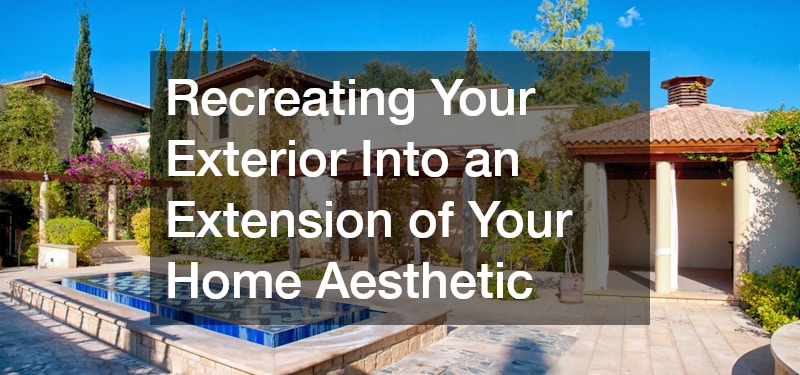
Recreating Your Exterior Into an Extension of Your Home Aesthetic
The indoor-outdoor flow is no longer just a luxury architectural trend; it has become a fundamental lifestyle shift. For the modern homeowner, the true boundary of a home is no longer the backdoor or the patio slider. Instead, the boundary is the property line itself. When you step outside, you should not feel as though you are leaving your home behind. Rather, you should feel as though you are simply stepping into a larger, open-air room of the exact same house.
Many homeowners spend years perfecting their interior spaces. They labor over paint swatches, carefully select furniture textures, and curate a specific style—whether it is sleek mid-century modern, cozy rustic farmhouse, or crisp contemporary minimalist. Yet, when they step into the yard, that design narrative often vanishes. They are greeted by a disconnected mix of random plants, standard concrete, and uninspired boundaries. By applying the same deliberate design principles to your exterior property that you used inside, you can visually double your usable living space, increase your property value, and create a deeply calming sense of cohesion. This comprehensive guide provides the practical blueprint to bridge that gap.
Setting the Visual Boundaries: Framing and Privacy

When designing an interior room, the first elements you consider are the walls. They define the perimeter, control the light, and set the acoustic and visual mood. In your yard, you must treat your property borders with that same intentionality. The exterior boundaries are your outdoor walls, and they dictate how the rest of your design will be perceived.
To start, you must establish cohesive sightlines from the inside out. Think of your home’s largest windows as picture frames. When you stand in your living room or kitchen and look outside, the view should match the color palette and mood of the room you are standing in. If your interior features soft, muted earth tones, a harsh and unkempt backyard view will create immediate visual friction. You can create a smoother transition by using height variations in your perimeter structures and plantings. Placing taller elements near the edge of the property mimics the expansive feeling of high interior ceilings, drawing the eye upward and outward.
Your physical borders should directly reflect your home’s architectural style. For homes with a sharp, modern interior, standard vertical dog-ear fencing can disrupt the design language. Instead, opting for clean, horizontal cedar slats or dark, matte-finished metals preserves those minimalist interior lines. Partnering with a professional team for a custom fence installation ensures that the physical perimeter acts as a beautiful, intentional backdrop rather than an ugly necessity. The right border secures your property while serving as a vertical accent wall that frames your entire outdoor living space.
Beyond structural walls, the natural elements overhead act as your outdoor ceiling. Managing the natural living canopy is crucial for controlling how light enters both your yard and your home. Overgrown branches block sunlight, cast gloomy shadows, and can make indoor rooms feel cramped and dark. Utilizing a certified tree service to prune, clear deadwood, and shape your trees allows dappled sunlight to filter beautifully across the lawn. This careful maintenance opens up vertical space, ensures structural safety, and keeps your sightlines clear so that the outdoor room feels airy and bright.
- Assess your view: Stand at your primary indoor viewing points and note any boundary elements that clash with your interior color scheme.
- Vary boundary heights: Use a mix of structural panels and tiered plantings to create a sense of depth and dimension along property lines.
- Maximize natural light: Keep large trees pruned back from window areas to prevent dark visual blocks and maximize the sunlight entering your home.
- Coordinate boundary textures: Ensure the materials used for your perimeter match the level of sleekness or rustic charm found in your indoor trim and cabinetry.
Foundations and Flooring: Creating Ground Cohesion

In interior design, flooring is the literal foundation of a room’s aesthetic. It guides movement and ties different furniture pieces together. When extending your style outdoors, the ground materials you choose must create a continuous visual plane that coaxes the eye—and the feet—across the threshold.
Achieving a smooth floor transition right at the threshold is the most effective way to blend indoor and outdoor spaces. If possible, minimize the traditional step-down. Bringing the level of your outdoor patio as close to your indoor floor height as structural codes allow eliminates a psychological barrier. When the ground plane remains relatively flat, the brain registers the two spaces as a single continuous zone. Color-matching is equally important here. If your kitchen features cool gray slate floors, extending that color palette outward with matching cool-toned stone pavers creates an flawless transition. If your home features warm white oak hardwood, look for outdoor porcelain tiles or natural stones that mimic those warm, light-brown undertones.
For the primary outdoor living areas, you need high-traffic surfaces that handle the elements while maintaining refined design lines. Rather than settling for a basic, rough gray slab, working with skilled residential concrete contractors allows you to design custom stamped, stained, or exposed-aggregate patios. These techniques can replicate the sophisticated textures of indoor tile or polished concrete, giving your patio the finished look of an indoor lounge.
To further define your property, you can use distinct ground materials to zone the yard into functional spaces. Just as an area rug defines a dining room inside, different paving textures can define a dining space, fire pit lounge, or sunbathing zone outside. Hiring experienced hardscaping companies allows you to install interlocking pavers, natural flagstone, or geometric retaining walls that carve the open lawn into structured, purposeful outdoor rooms. These defined spaces prevent your yard from feeling like an empty field and give it the organized layout of a well-planned home.
The concept of ground cohesion should also extend to the front of your property. The driveway is often the first thing guests see, and it sets the tone for the entire home. It should not look like a generic patch of pavement that ignores the rest of the architecture. Choosing a high-quality asphalt paving layout provides a smooth, deep-black finish that acts as a neutral canvas. This rich, dark surface contrasts beautifully with lighter concrete borders or stone pavers, immediately elevating the curb appeal and matching the clean, sophisticated aesthetic found inside the front door.
- Align your levels: Keep the transition from indoor flooring to outdoor patios as level as possible to encourage natural foot traffic.
- Coordinate color temperatures: Match cool interior floors with cool stone or concrete tones, and warm interior floors with warm pavers or decking materials.
- Establish distinct zones: Use stone borders, contrasting paver patterns, or low retaining walls to separate your outdoor kitchen from your lounge spaces.
- Plan seamless expansion joints: Align the grid pattern of outdoor pavers or concrete scores with the lines of your indoor flooring tiles to draw the eye outward.
Living Elements and Architectural Accents
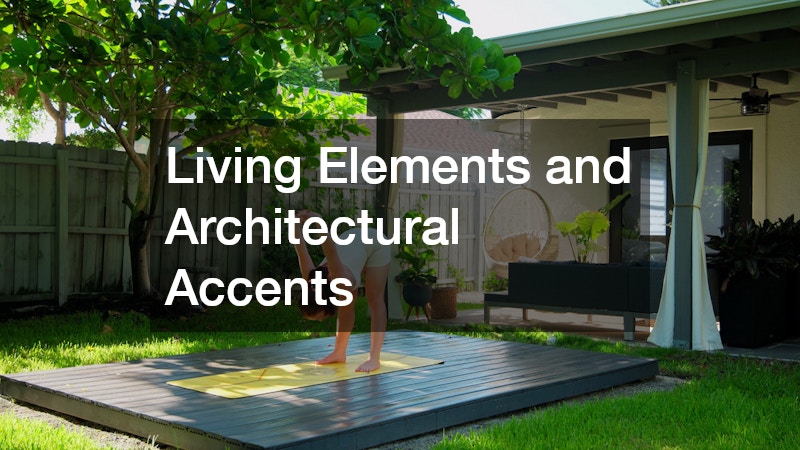
Once your outdoor walls and floors are established, it is time to bring in the decor. In a backyard, decor comes in the form of living plants and architectural masonry. These elements add the texture, color, and warmth that turn a stark outdoor structure into a welcoming extension of your home.
Vegetation should never be planted at random. Instead, layer your flora exactly like you would style interior decor. Think of your plants as cushions, throws, and artwork. If your interior design is minimalist or Scandinavian, your gardens should reflect that restraint. Focus on a limited color palette, clean lines, and architectural plants like ornamental grasses, boxwoods, or structural ferns. If your home leans toward a cozy, maximalist, or bohemian style, your gardens should be dense, lush, and filled with layered perennials of varying heights and textures. Relying on a premium landscaping service ensures that you choose the right species for your climate while maintaining a cohesive botanical design that looks structured and beautiful in every season.
To break up massive expanses of bare exterior siding or plain foundation concrete, treat your vertical outdoor surfaces like interior accent walls. You can add incredible architectural interest by introducing organic textures directly to the home’s exterior shell. Applying stone veneer to exposed foundation lips, chimney bases, or the walls of an outdoor kitchen adds instant warmth and visual weight. This material provides the rugged, timeless look of solid stone without the immense weight and structural complexity, creating a beautiful bridge between natural earth elements and manufactured architecture.
For permanent structures that anchor your outdoor living rooms, invest in high-quality stonework that echoes your indoor features. If you have a beautiful brick or stone fireplace in your family room, reproducing that exact look outdoors creates a powerful design connection. Enlisting professional masonry services to construct custom outdoor hearths, built-in seating walls, or stone stairways brings a sense of permanence and craftsmanship to the yard. These structural elements serve as focal points that draw people outside, providing the same warmth and comfort as a cozy indoor hearth.
- Design with intent: Group your plants by color and form to create clean visual blocks rather than a cluttered mix of random species.
- Softens hard edges: Use climbing vines or soft shrubs along stone walls and foundations to blur the line between structural elements and nature.
- Echo indoor features: Replicate the stone or brick patterns of your interior fireplace on your outdoor kitchen or fire pit to create an immediate visual anchor.
- Incorporate structural planters: Use heavy stone or concrete planters that match your architectural finishes to create clean, elevated focal points for your greenery.
Color Harmony and Functional Storage
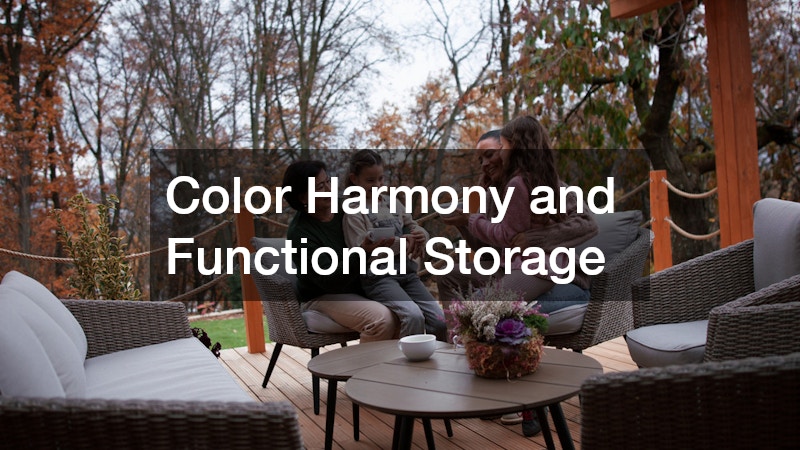
The final layer of a cohesive home exterior involves managing your color palette and controlling everyday clutter. Just as a rogue piece of mismatched furniture or a pile of clutter can ruin the vibe of an indoor room, the same rule applies to your outdoor spaces.
Establishing a cohesive exterior color palette requires looking beyond the main siding color. Walk through your home and identify the secondary and tertiary accent colors used in your furniture, artwork, or kitchen cabinetry. Bringing those exact colors outside ties the two worlds together beautifully. You can apply these tones to your exterior doors, window shutters, pergolas, or patio furniture. Investing in professional exterior painting ensures that these accent pieces and your home’s trim are coated in durable, weather-resistant finishes that perfectly match the color temperature of your interior spaces, creating a unified look from the street to the back fence.
Finally, remember that clutter is the ultimate enemy of good design. A beautifully styled patio will lose its charm if it is surrounded by scattered lawnmowers, garden hoses, pool toys, and bags of soil. However, utility storage does not have to be an eyesore. You can hide your tools elegantly by utilizing structures that match the architecture of the main house. Customizing your storage sheds with the same siding material, trim color, roof shingles, and hardware as your home turns a utility building into a deliberate design choice. When your outbuildings look like mini-extensions of the main home, they contribute to the overall aesthetic rather than detracting from it.
- Pull accents from inside: Use your interior accent colors on outdoor rugs, throw cushions, planters, and garden gates.
- Hide utility items: Keep garbage cans, pool pumps, and garden tools completely out of sight using styled enclosures or customized outbuildings.
- Keep hardware consistent: Match the finish of your outdoor light fixtures, shed handles, and gate latches to the hardware used inside your home.
- Integrate hidden yard seating: Select outdoor benches, sectionals, or coffee tables that double as weatherproof storage boxes to keep everyday items stowed away neatly.
Recreating your exterior property into a seamless extension of your home aesthetic is one of the most rewarding home improvement projects you can undertake. It forces you to look past the physical limitations of your walls and see the full potential of your entire property. By thoughtfully framing your views, aligning your flooring textures, styling your living elements, and maintaining color harmony, you break down the traditional barriers between inside and out. The result is a home that feels significantly larger, more peaceful, and entirely complete. Take a look out your favorite window today, identify the elements that disrupt your home’s inner style, and begin planning your outdoor transformation from the ground up.