From AC Service to Foundation Waterproofing The Complete Guide to Plumbing, Roofing, and Water Damage Solutions
Introduction
A well-maintained home is the result of consistent attention to both visible and hidden systems. From climate control to water management and structural protection, every component plays a role in overall performance. When even one system is neglected, it can create a ripple effect that impacts comfort, safety, and long-term property value.
Homeowners often focus on aesthetics or immediate repairs, but true property care requires a broader perspective. Preventative maintenance, routine inspections, and timely upgrades are the foundation of a resilient home. Addressing small issues early can prevent costly damage, especially when it comes to moisture intrusion, system inefficiencies, or structural wear.
Another important factor is understanding how systems interact. Cooling and heating systems influence indoor air quality and energy costs, while plumbing and drainage systems directly affect structural integrity. Roofing and exterior protection serve as the first line of defense against environmental damage.
This guide provides a comprehensive look at how to manage these systems effectively. By following practical strategies and maintenance best practices, homeowners can create a safer, more efficient, and longer-lasting living environment.
In addition to routine care, it’s important to adopt a mindset of continuous improvement. Homes naturally age, materials wear down, and technology evolves. Staying informed about new products, energy-efficient upgrades, and modern maintenance techniques allows homeowners to make smarter decisions over time. Small improvements—such as upgrading insulation, sealing air leaks, or improving drainage—can have a cumulative impact on comfort and cost savings.
It’s also helpful to establish a clear maintenance schedule that aligns with seasonal changes. For example, preparing HVAC systems before peak summer or winter usage, checking roofing after storms, and inspecting plumbing during colder months can prevent many common issues. By aligning maintenance tasks with environmental demands, homeowners can stay ahead of potential problems and maintain consistent system performance.
Identifying Early Warning Signs of Cooling System Failure
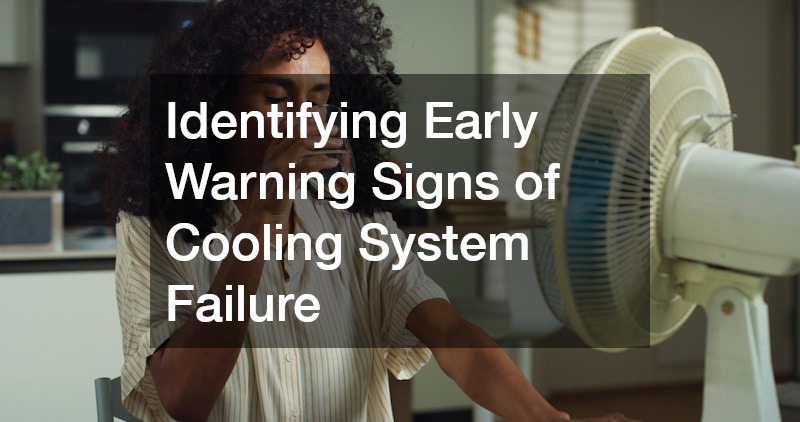
Cooling systems are essential for maintaining indoor comfort, especially during warmer months. However, many homeowners overlook early warning signs of system failure, leading to costly breakdowns that could have been prevented with timely intervention.
One of the first indicators that attention is needed is reduced airflow. If certain rooms feel warmer than others or airflow seems weak, it may signal clogged filters, duct obstructions, or failing components. Similarly, unusual noises such as rattling or grinding often point to mechanical issues that require immediate attention.
Rising energy bills are another red flag. When a system works harder than necessary to maintain temperature, it consumes more energy. This often results from dirty coils, low refrigerant levels, or worn-out parts that reduce efficiency.
Key steps for proactive system care include:
- Replacing air filters every one to three months
- Keeping outdoor units free from debris and vegetation
- Scheduling seasonal inspections before peak usage periods
- Monitoring thermostat performance for accuracy
- Addressing minor issues before they escalate
Professional servicing plays a crucial role in maintaining performance. Routine ac service ensures that all components are functioning correctly, while timely air conditioning repair resolves issues before they lead to system failure.
By staying proactive, homeowners can extend system lifespan, improve energy efficiency, and avoid unexpected disruptions during critical seasons.
Choosing the Right Water Heating System for Efficiency and Longevity
Water heating systems are a central part of daily living, yet they are often overlooked until a problem arises. Choosing the right system and maintaining it properly can significantly improve efficiency, reduce energy costs, and ensure consistent hot water availability.
Modern systems such as tankless water heaters have gained popularity due to their on-demand functionality and energy efficiency. Unlike traditional storage tanks, these systems heat water only when needed, eliminating standby energy loss and providing a continuous supply.
However, even advanced systems require maintenance. Common issues include mineral buildup, fluctuating water temperatures, and reduced heating efficiency. These problems can often be addressed through regular water heater repairs and preventative care.
Important maintenance practices include:
- Flushing the system periodically to remove mineral deposits
- Inspecting heating elements or burners for wear
- Checking connections and valves for leaks
- Monitoring water pressure and temperature consistency
- Scheduling professional inspections annually
When selecting a system, homeowners should consider household size, water usage patterns, and energy efficiency goals. While tankless systems offer long-term savings, proper installation and maintenance are essential to maximize their benefits.
A well-maintained water heating system not only improves comfort but also contributes to overall home efficiency and reliability.
Preventing Plumbing Emergencies Through Routine System Checks
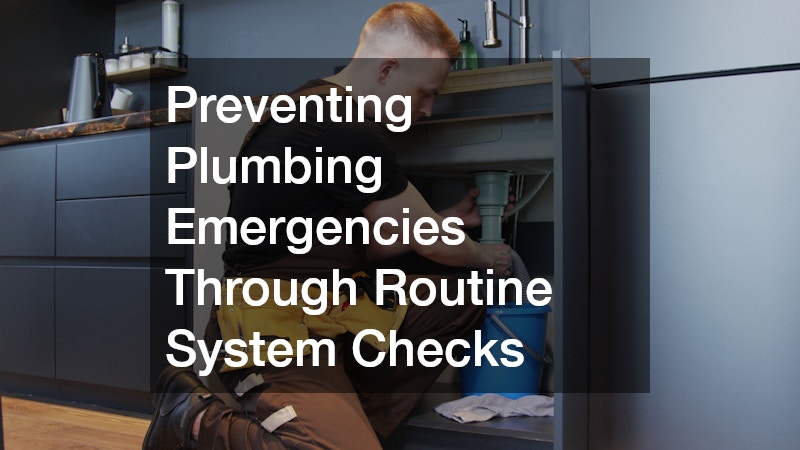
Plumbing systems are one of the most critical yet vulnerable components of any home. From delivering clean water to removing waste efficiently, these systems operate behind the scenes but play a vital role in daily functionality.
Routine inspections are key to preventing unexpected failures. Small leaks, for example, can go unnoticed for long periods, causing structural damage and increasing water bills. Identifying these issues early can save significant time and money.
Common signs of plumbing problems include:
- Unexplained increases in water usage
- Slow drains or recurring clogs
- Low water pressure in certain fixtures
- Water stains on walls or ceilings
- Unusual odors from drains
Professional plumbers use specialized tools such as camera inspections and pressure testing to identify hidden issues. These advanced techniques allow for accurate diagnosis and targeted repairs.
Preventative measures homeowners can take include:
- Avoiding disposal of grease or debris down drains
- Installing strainers to catch hair and particles
- Insulating pipes in colder climates to prevent freezing
- Scheduling regular system inspections
By maintaining plumbing systems proactively, homeowners can reduce the risk of emergencies and ensure consistent performance throughout the home.
Maintaining Consistent Heating Performance Throughout the Year
Heating systems must operate reliably during colder months, making regular maintenance essential. Even minor inefficiencies can lead to uneven heating, higher energy bills, and increased wear on system components.
One of the most common issues is restricted airflow, often caused by dirty filters or blocked vents. This reduces system efficiency and places additional strain on heating components. Similarly, thermostat malfunctions can lead to inconsistent temperatures and unnecessary energy consumption.
Key maintenance steps include:
- Cleaning or replacing filters regularly
- Inspecting vents and ducts for obstructions
- Testing thermostat accuracy
- Checking ignition systems and burners
- Ensuring proper ventilation for safety
Professional heater repairs address deeper issues such as worn-out components, electrical failures, or system imbalances. Regular servicing helps identify these problems early, preventing costly breakdowns during peak usage.
Homeowners should also consider upgrading to energy-efficient systems or adding programmable thermostats to optimize performance. These improvements not only enhance comfort but also reduce long-term operating costs.
A well-maintained heating system ensures consistent warmth, improved safety, and greater energy efficiency.
Responding Quickly to Water Intrusion and Preventing Long-Term Damage
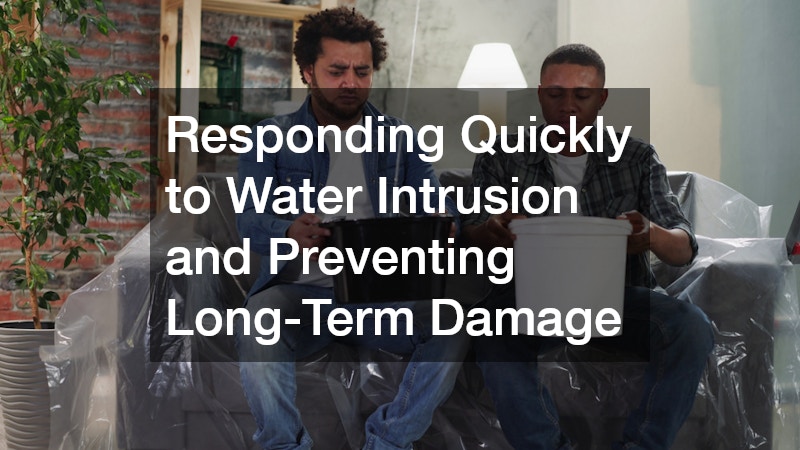
Water intrusion can occur suddenly or develop gradually over time, but its impact is often severe. From structural weakening to mold growth, moisture-related issues can compromise both safety and indoor air quality.
Immediate action is critical when water damage occurs. The longer moisture remains, the greater the risk of permanent damage and contamination. Quick response minimizes repair costs and prevents further deterioration.
Initial response steps include:
- Stopping the source of water intrusion
- Removing standing water as quickly as possible
- Drying affected areas using fans and dehumidifiers
- Removing damaged materials such as drywall or flooring
- Disinfecting surfaces to prevent mold growth
Professional water damage remediation services use specialized equipment to thoroughly dry and restore affected areas. This includes moisture detection tools, industrial dehumidifiers, and antimicrobial treatments.
Long-term prevention strategies include:
- Inspecting roofs, windows, and plumbing systems regularly
- Maintaining proper drainage around the home
- Installing sump pumps or backup systems
- Sealing cracks in foundations or walls
Addressing water damage promptly and thoroughly ensures a safer, healthier living environment and protects long-term property value.
Improving Water Quality for Health and System Longevity
Water quality has a direct impact on both health and home systems. Hard water, sediment, and contaminants can reduce appliance efficiency, damage plumbing components, and affect overall water usability.
Water conditioning systems help address these issues by removing or neutralizing harmful elements. This improves taste, reduces scale buildup, and extends the lifespan of plumbing fixtures and appliances.
Common water quality concerns include:
- Mineral buildup causing scaling in pipes and appliances
- Chlorine or chemical presence affecting taste and odor
- Sediment accumulation leading to clogs or reduced flow
- Corrosion caused by imbalanced water chemistry
Benefits of installing a conditioning system include:
- Improved efficiency of water heaters and appliances
- Reduced maintenance and repair costs
- Enhanced water clarity and taste
- Protection of plumbing infrastructure
Regular maintenance of these systems is essential to ensure effectiveness. This includes replacing filters, monitoring system performance, and scheduling professional inspections.
Improving water quality not only enhances daily living but also supports the longevity of critical home systems.
Protecting Structural Integrity with Effective Moisture Barriers
The foundation is one of the most important structural components of any home, and protecting it from moisture intrusion is essential. Water entering through cracks or porous materials can lead to structural damage, mold growth, and long-term instability.
Common causes of foundation moisture issues include poor drainage, heavy rainfall, and soil expansion. Over time, these factors can create cracks and allow water to seep into basements or crawl spaces.
Key warning signs include:
- Damp or musty odors in lower levels
- Visible cracks in walls or floors
- Water pooling near the foundation
- Efflorescence or white residue on walls
Effective foundation waterproofing solutions include both interior and exterior methods. Exterior solutions often involve drainage systems and protective coatings, while interior solutions may include sump pumps and vapor barriers.
Preventative measures include:
- Ensuring proper grading around the home
- Installing gutter systems to direct water away
- Sealing cracks promptly
- Maintaining drainage systems
By addressing moisture issues early, homeowners can protect structural integrity and avoid costly repairs.
Maintaining Roof Integrity to Prevent Leaks and Structural Damage
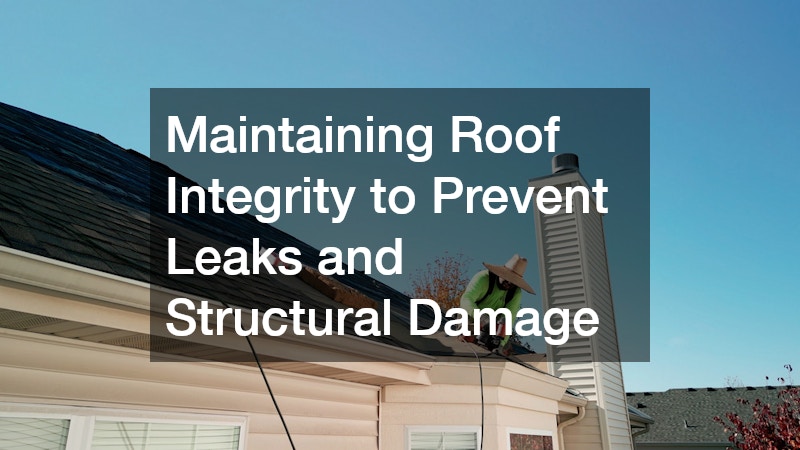
The roof serves as the first line of defense against environmental elements. Regular maintenance and timely repairs are essential to prevent leaks, water damage, and structural deterioration.
Common roofing issues include damaged shingles, flashing failures, and clogged gutters. These problems can allow water to penetrate the structure, leading to interior damage.
Routine maintenance steps include:
- Inspecting shingles for wear or damage
- Cleaning gutters and downspouts regularly
- Checking flashing around vents and chimneys
- Removing debris that may trap moisture
- Scheduling professional inspections annually
A qualified roofer can identify issues that may not be visible from the ground and recommend appropriate repairs or replacements.
Seasonal maintenance is especially important in areas with extreme weather conditions. Preparing the roof before winter or storm seasons helps prevent unexpected damage.
Maintaining roof integrity ensures long-term protection and supports overall home durability.
Coordinating Home Systems for Maximum Efficiency and Protection
Effective home maintenance requires coordination between all major systems. HVAC, plumbing, roofing, and structural components must work together to create a balanced and efficient environment.
Creating a unified maintenance plan involves:
- Scheduling regular inspections for each system
- Keeping detailed records of repairs and upgrades
- Budgeting for long-term maintenance and replacements
- Working with qualified professionals for specialized tasks
Homeowners should also prioritize upgrades that improve overall efficiency, such as insulation improvements, smart monitoring systems, and energy-efficient equipment.
By viewing the home as an integrated system rather than separate components, property owners can achieve better performance, lower costs, and greater long-term reliability.
Conclusion
Maintaining a home requires more than occasional repairs—it demands a consistent, proactive approach that addresses both immediate needs and long-term performance. By focusing on prevention, regular inspections, and strategic upgrades, homeowners can avoid costly emergencies and extend the lifespan of critical systems.
Each component of a home plays a role in overall functionality. When systems are maintained in coordination, they operate more efficiently and provide a higher level of comfort and safety. Neglecting even one area can lead to larger issues that affect the entire property.
A long-term maintenance strategy also provides financial benefits. Planning for repairs and upgrades reduces unexpected expenses and allows homeowners to make informed decisions about improvements. This not only protects the investment but also enhances property value over time.
Ultimately, a well-maintained home is one that is cared for consistently, inspected regularly, and improved thoughtfully. With the right approach, any property can remain efficient, durable, and comfortable for years to come.
Looking ahead, homeowners who prioritize ongoing education and professional partnerships will be best positioned for success. Building relationships with trusted service providers ensures reliable support when needed, while staying informed about emerging technologies can unlock new efficiencies. From smart monitoring systems to energy-saving upgrades, modern solutions make it easier than ever to maintain a home proactively.
Consistency is the key to long-term success. Even simple habits—like documenting repairs, tracking system performance, and addressing minor issues promptly—can make a significant difference over time. By committing to a structured maintenance plan and making thoughtful improvements along the way, homeowners can create a living environment that remains dependable, efficient, and comfortable for years to come.