Transforming Your Outdoor Areas Into High-Value Features
Your yard has the potential to be more than just grass and a few shrubs sitting between your front door and the street. With thoughtful planning, outdoor spaces can boost your home’s resale value, expand your usable living area, and give you a place to actually enjoy your property instead of just maintaining it. The challenge is knowing where to start and which upgrades deliver real, lasting returns. This guide walks through the key elements that turn an ordinary yard into a standout feature of your home.
Starting With a Clear Site Assessment and Plan
Before any digging or planting begins, it pays to step back and look at your property as a whole. Slope, drainage patterns, sun exposure, soil quality, and existing vegetation all affect what will actually thrive and function well in your yard. Skipping this step is one of the most common reasons outdoor projects fail to deliver the value homeowners expect.
Working with landscape designers early in the process helps you avoid costly mistakes down the road. They can map out how different zones of your yard will be used, whether that’s an entertaining area, a garden, or a quiet retreat, and create a cohesive plan that ties everything together. A solid design also makes it easier to phase your project over time without losing the overall vision.
- Note where water pools after rain
- Track sun and shade patterns across the day
- Identify mature trees or features worth preserving
- Consider how each area will actually be used day to day
Clearing Overgrown or Unusable Land
Many properties have sections that are simply unusable because of dense brush, dead trees, or years of neglected growth. Before you can install anything new, that space often needs to be cleared and prepped properly. Attempting this yourself with basic tools can be slow, dangerous, and incomplete, especially on larger lots.
A professional land clearing service brings the right equipment to remove vegetation, stumps, and debris efficiently while protecting the soil and any trees you want to keep. This kind of groundwork sets the stage for everything that follows, from grading to planting to hardscaping. Getting it done right the first time saves you from surprises once construction begins.
Building Retaining Walls for Sloped or Uneven Yards
Sloped lots present a unique challenge because they limit how much usable, flat space you actually have. Retaining walls solve this by creating level terraces, preventing soil erosion, and adding visual structure to your landscape. They can turn a steep, awkward hillside into a series of functional outdoor rooms.
Proper retaining wall installation requires more than stacking stone or block; it involves understanding drainage, soil pressure, and load-bearing requirements. A wall built without accounting for water runoff can fail within a few years, leading to costly repairs. When done correctly, though, a retaining wall can be one of the most transformative additions to a difficult yard.
- Choose materials that match your home’s architectural style
- Plan for proper drainage behind the wall
- Consider wall height limits and local permitting rules
- Use terraced walls to create multiple usable levels
Designing Patios and Outdoor Living Spaces
A well-placed patio extends your home’s living space outdoors and often becomes the anchor for entertaining, dining, and relaxing. The right size, shape, and material can make a small backyard feel expansive or give a large yard a defined gathering spot. Location matters just as much as design, since sun exposure and privacy affect how often the space actually gets used.
Experienced patio contractors can help you choose materials like pavers, natural stone, or stamped concrete based on your climate, budget, and maintenance preferences. They also know how to grade the area properly so water drains away from your home’s foundation. A thoughtfully built patio typically ranks among the highest-return outdoor improvements homeowners can make.
Adding Hardscape Features for Structure and Function
Beyond patios, hardscaping includes walkways, fire pits, outdoor kitchens, and seating walls that give a yard structure and year-round usability. These features reduce maintenance compared to grass or garden beds while adding architectural interest to the property. A well-designed hardscape plan balances open green space with functional hard surfaces.
Hiring skilled hardscape installers ensures these elements are built to last, with proper base preparation, drainage, and material selection. Poorly installed hardscaping tends to crack, shift, or pool water within a few seasons, which ends up costing more to fix than it would have cost to build correctly the first time. Investing in quality installation upfront protects both the look and function of your outdoor space for years.
- Walkways connecting different zones of the yard
- Fire pits or fireplaces for extended outdoor use
- Outdoor kitchens for entertaining
- Seating walls that double as garden borders
Constructing Decks for Elevated Outdoor Space
For homes with raised foundations, walkout basements, or yards that aren’t ideal for ground-level patios, a deck offers an excellent alternative. Decks provide flexible outdoor living space and can be customized with railings, built-in seating, lighting, and pergolas. They also tend to appeal strongly to buyers, making them a smart long-term investment.
A qualified deck contractor will factor in local building codes, load requirements, and material choices, whether that’s pressure-treated wood, composite decking, or higher-end hardwoods. Composite materials cost more upfront but require far less maintenance over time, which is worth weighing against your budget and how long you plan to stay in the home. Proper footings and structural support are essential, since a poorly built deck can become a safety hazard.
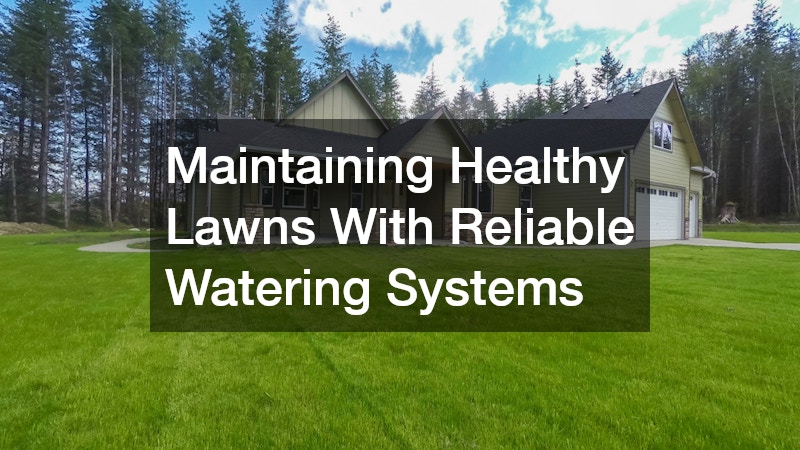
Maintaining Healthy Lawns With Reliable Watering Systems
A lush, green lawn is often the first thing people notice about a property, but keeping it healthy requires consistent, even watering. Manual watering is time-consuming and often uneven, leading to patchy growth or wasted water. An automated system solves this problem while actually reducing your long-term water usage.
Professional lawn irrigation services can design a system tailored to your yard’s specific zones, accounting for different sun exposure, soil types, and plant needs. Smart controllers can adjust watering schedules based on weather conditions, which saves money and prevents overwatering. A well-maintained irrigation system also protects other investments in your yard, like new sod, gardens, and mature trees.
- Zone-based systems for different plant and grass needs
- Smart controllers that adjust to weather patterns
- Drip irrigation for garden beds and shrubs
- Regular inspections to catch leaks or broken heads early
Keeping Trees Healthy and Properly Shaped
Mature trees add significant value to a property, providing shade, privacy, and visual character that new landscaping simply can’t replicate overnight. A single well-placed shade tree can lower summer cooling costs by shielding a home’s roof and windows from direct sun, while a healthy canopy of mature trees can boost curb appeal and resale value by a noticeable margin compared to a yard with only young or sparse plantings.
But trees require ongoing attention to stay healthy and safe, especially as they age or face storm damage. Routine pruning removes dead, crossing, or weak branches before they become hazards, and it also encourages stronger structural growth over time. Most established trees benefit from a professional check-up every two to three years, though faster-growing species or trees near structures may need more frequent attention.
Warning signs worth watching for include large dead limbs, fungal growth at the base, cracked bark, or a noticeable lean that wasn’t there before. These can signal root damage, disease, or decay that compromise a tree’s stability, particularly during high winds or heavy snow loads. Catching these issues early often means the difference between a simple pruning job and an expensive, or dangerous, emergency removal.
Neglected trees can become liabilities rather than assets, potentially damaging roofs, fences, or vehicles, and even creating risk for people nearby. Investing in periodic arborist evaluations, proper mulching, and seasonal deep watering during dry spells helps trees stay resilient for decades. That ongoing care protects both the safety of the property and the long-term value trees bring to it.
Mature trees are one of the few landscape features that add value the moment they’re planted and continue appreciating for decades, but only if they’re properly maintained. Routine tree pruning improves air circulation, removes dead or diseased branches, and encourages stronger growth patterns. Most species benefit from pruning once a year during their dormant season, though fast-growing trees may need attention twice annually to keep their shape and prevent overcrowded canopies.
Beyond pruning, comprehensive tree care includes monitoring for pests, disease, and root issues that aren’t always visible from the ground. Warning signs like discolored leaves, peeling bark, or fungal growth near the base often point to problems that started well before they became noticeable. Root systems deserve particular attention too, since compacted soil or invasive roots can quietly undermine nearby structures, walkways, and utility lines long before any damage appears above ground.
Investing in regular tree maintenance protects both the safety of your property and the long-term value these trees provide. A certified arborist can spot structural weaknesses, like codominant stems or included bark, that put trees at risk of splitting during storms. Scheduling an annual inspection alongside your pruning routine is a small cost that helps you avoid the much larger expense of emergency removal or property damage later on.
Bringing the Whole Project Together With Professional Support
Transforming an outdoor space rarely involves just one type of work; it usually requires coordinating grading, drainage, planting, structures, and utilities in the right sequence. Skip a step, or tackle them out of order, and you end up with problems that are expensive to fix later — a patio poured before irrigation lines are laid, or plants installed before soil grading directs water away from the foundation.
Trying to manage every piece separately can lead to scheduling conflicts, mismatched materials, or work that has to be redone. One contractor’s timeline for a hardscape installation might clash with another’s planting schedule, or a lighting plan might get finalized after the electrical trenching is already covered over. These aren’t hypothetical headaches; they’re common outcomes when homeowners try to act as their own general contractor across multiple specialties.
Comprehensive landscaping services can help coordinate these moving parts so the final result feels cohesive rather than pieced together. A single point of contact can sequence excavation, hardscaping, planting, and lighting or irrigation installation so each phase sets up the next instead of undoing it. This also means fewer surprises with permitting, material lead times, or seasonal planting windows, since an experienced team is anticipating those constraints from the start rather than discovering them mid-project.
Beyond scheduling, working with one coordinated team often improves material consistency and design continuity — matching stone, plant palettes, and finishes across zones so the yard reads as one connected design rather than a patchwork of separate projects completed at different times.
Whether you’re tackling one upgrade at a time or planning a full backyard renovation, having professionals who communicate with each other makes a noticeable difference in the final outcome. A landscape designer, hardscape contractor, and electrician who coordinate from the start can avoid conflicts like irrigation lines crossing paths with lighting wiring or a patio grade that doesn’t account for proper drainage. Many homeowners find it worthwhile to work with a general contractor or landscape architect who oversees the entire project and manages these moving parts.
Coordination also helps you stay within budget, since a unified plan reduces the risk of costly rework. For example, deciding on final hardscape layout before installing plumbing for an outdoor kitchen can save you from tearing up pavers later. Getting quotes that outline the full scope of work, along with a realistic timeline, also helps you avoid surprise expenses once a project is underway.
Sequencing matters just as much as communication. Grading and drainage work typically needs to happen before patios or walkways go in, while electrical and gas lines for features like fire pits or outdoor kitchens should be roughed in before final landscaping begins. Planting trees and installing irrigation usually comes last, once the heavier construction traffic has cleared the site.
The goal is a yard that functions well and looks intentional from every angle, with each element — lighting, plantings, structures, and hardscaping — feeling like part of one cohesive design rather than a series of disconnected upgrades.
Turning your outdoor space into a genuine asset takes planning, the right sequence of work, and realistic expectations about time and budget. Start by assessing your yard honestly, prioritize the improvements that will get the most use, and bring in professional expertise where the work demands it. With the right approach, your outdoor areas can become one of the most valuable and enjoyable parts of your entire property.