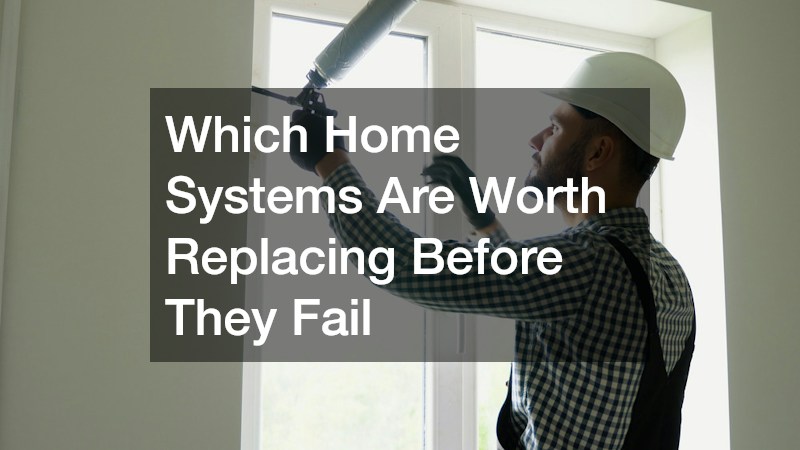
Which Home Systems Are Worth Replacing Before They Fail
Few homeowners enjoy thinking about the age of their water heater or the condition of their roof decking, but waiting for a system to fail completely almost always costs more than replacing it on your own terms. Sudden breakdowns tend to happen at the worst possible times, like a furnace quitting during a cold snap or a water heater bursting overnight. Understanding which systems have predictable lifespans and warning signs can help you plan ahead, budget wisely, and avoid emergency repairs. This guide walks through the major home systems worth watching closely so you can replace them proactively rather than reactively.
Aging Water Heaters and Tank Corrosion
Most tank-style water heaters last between 8 and 12 years, and once a unit passes that range, the risk of leaks and total failure climbs quickly. Sediment buildup, rusty water, and strange rumbling noises are all signs that the tank is deteriorating from the inside out. Scheduling water heater repair at the first sign of trouble can sometimes buy you a little extra time, but repeated repairs on a unit nearing the end of its expected life are rarely a good investment. Replacing it proactively, before it ruptures and floods a utility closet or basement, is almost always the cheaper and less stressful path.
Pay attention to the age sticker on the tank itself, since many homeowners inherit a water heater from a previous owner and have no idea how old it really is. A unit that is still under ten years old but showing minor issues is a reasonable candidate for repair, while anything older showing multiple symptoms should be budgeted for replacement.
- Check for rust-colored water coming from hot water taps
- Listen for popping or rumbling sounds during heating cycles
- Look for moisture or pooling water around the base of the tank
- Note any decline in how long hot water actually lasts
Electrical Panels and Outdated Wiring
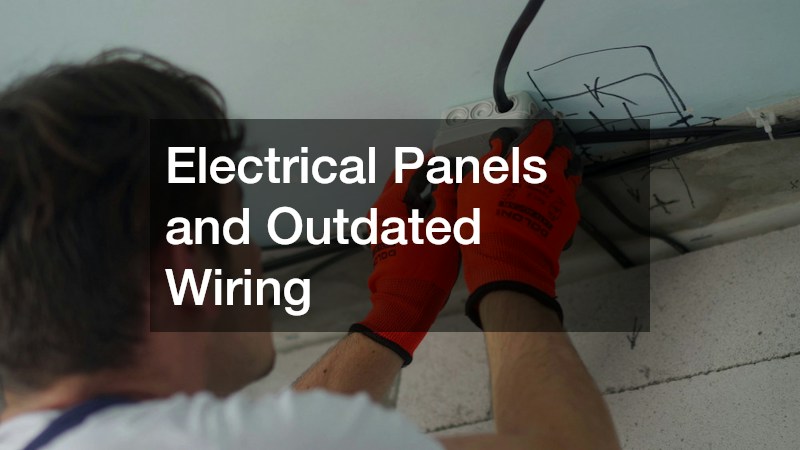
Homes built more than 30 or 40 years ago often have electrical panels that were never designed to handle today’s load of appliances, HVAC equipment, and electronics. Breakers that trip frequently, warm outlet covers, or a persistent burning smell near the panel are all signs that the system is being pushed past its limits. These are not problems to diagnose yourself, and bringing in a licensed electrical contractor for an inspection is the safest way to know whether you are looking at a simple repair or a full panel upgrade. Faulty wiring is one of the leading causes of house fires, which makes this a system where waiting for failure is genuinely dangerous rather than just inconvenient.
- Frequent breaker trips during normal appliance use
- Flickering lights unrelated to bulb quality
- Outlets that feel warm or discolored
- A panel still using fuses instead of breakers
- Any visible scorch marks near the service panel
Central Air Conditioning Units Near the End of Their Lifespan
Central air conditioners typically last 12 to 15 years with regular maintenance, and performance tends to decline noticeably in the final few years before failure. Warning signs include weak airflow, warm air blowing from vents, unusual cycling patterns, and a spike in your cooling bills despite no change in habits. Scheduling AC repair early in the season, before the summer heat hits its peak, gives you time to decide whether a repair makes sense or whether the unit is simply too old to justify the cost. A technician can also tell you whether your refrigerant type is being phased out, which affects both repair costs and resale value of the unit itself.
Replacing an aging system before it dies completely also means you get to choose the timing, rather than scrambling to find emergency service during a heat wave when technicians are booked solid. Newer units are also significantly more energy efficient, so a planned upgrade often pays for itself over time through lower utility bills.
Furnaces and Heating Equipment Showing Their Age
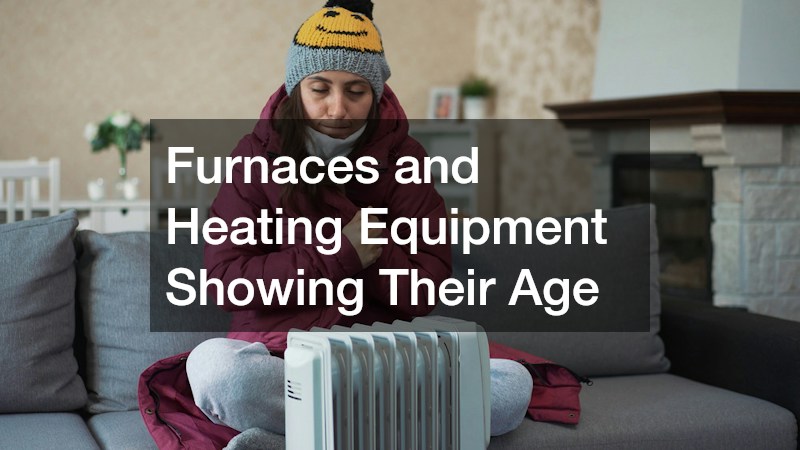
A furnace generally lasts 15 to 20 years, and like most mechanical systems, its reliability drops sharply in the final stretch. Yellow burner flames instead of blue, frequent cycling, rising carbon monoxide readings, and unusual noises during startup are all signs that the unit is struggling. A sudden jump in gas bills without a change in usage habits is another red flag, since aging heat exchangers and worn components force the system to work harder for the same output. In many cases a simple fix through Heating Repair can resolve a short-term issue, especially if the problem is isolated to a thermostat, igniter, or blower motor. These components are relatively inexpensive to replace and don’t necessarily signal that the whole system is failing. The calculation changes, though, once repair costs start climbing or recurring. A widely used rule of thumb is the “5,000 rule”: multiply the age of the furnace by the estimated repair cost, and if the total exceeds 5,000, replacement makes more financial sense than another repair. Cracked heat exchangers deserve special attention here, since they can leak carbon monoxide into the home and typically cost more to fix than the unit is worth. Once a furnace is past the 15-year mark and needs repairs more than once a season, it is usually time to start planning for furnace replacement instead of continuing to patch it.
Cost is often the deciding factor, and a good rule of thumb many technicians use is the “5,000 rule”: multiply the repair cost by the age of the furnace, and if the result exceeds 5,000, replacement makes more financial sense than repair. A simpler version of this same logic says that if a repair costs more than a third of the price of a new unit, replacement is the smarter long-term choice. For a furnace that typically costs $3,500 to $6,000 to replace, that means any single repair quote above $1,200 to $2,000 should prompt a serious cost comparison rather than an automatic repair call. Age matters just as much as the repair bill itself. Most furnaces last 15 to 20 years, and once a unit passes the 12 to 15 year mark, its efficiency naturally declines even if it’s still technically running. Rising energy bills, uneven heating between rooms, and more frequent short cycling are all signs the equipment is working harder to do the same job it once did easily. Waiting until the furnace fails completely during the coldest week of winter removes your ability to shop around or compare financing options, so getting ahead of the decision gives you far more control. Emergency replacements also tend to cost more, since contractors often charge premium rates for same-day installation during peak demand season. Scheduling an inspection in late summer or early fall, before the first cold snap sends every HVAC company’s calendar into overflow, gives you time to get multiple quotes and choose equipment that fits your budget rather than whatever happens to be in stock.
- Flames that burn yellow instead of a steady blue, which can signal incomplete combustion and possible carbon monoxide risk
- Unusual banging, rattling, or screeching sounds coming from the blower motor or ductwork
- Rooms that heat unevenly throughout the house, leaving some spaces noticeably colder
- A noticeable rise in heating costs year over year, even with similar usage habits
- Repair calls happening more than once per season, especially once the unit passes 15 years old
- A furnace that runs in longer or more frequent cycles just to maintain the thermostat setting
- A yellowish or sooty residue building up around the unit or vents
Roof Coverings Past Their Expected Service Life
Asphalt shingle roofs typically last 20 to 25 years, while other materials like metal or tile can last considerably longer. Curling or missing shingles, granules collecting in gutters, and daylight visible through the attic boards are all signs that the roof covering is failing. Getting a few estimates from established roofing companies before damage becomes severe gives you leverage to compare pricing, materials, and warranty terms without the pressure of an active leak. A roof that is replaced proactively also protects everything underneath it, including insulation, framing, and drywall, which can be far more expensive to repair than the roof itself.
It is worth remembering that insurance companies are increasingly scrutinizing roof age during underwriting, and some policies will not renew coverage on a roof older than 20 years without an inspection. Addressing this before it becomes a financial or coverage issue is one of the more overlooked reasons to replace a roof ahead of failure.
Driveways and Walkways Showing Structural Cracks
Asphalt driveways generally last 15 to 20 years with proper sealing and maintenance, but once cracks reach down to the base layer, patching becomes a short-term fix at best. Potholing, alligator cracking, and standing water after rain are signs that the underlying gravel base has shifted or washed out. Experienced asphalt contractors can usually tell within a few minutes of inspection whether a driveway is a good candidate for resurfacing or whether a full tear-out and repave is the more sensible option. Letting a driveway deteriorate too far often means water infiltrates the base and causes frost heaving in colder climates, which turns a moderate repair into a complete replacement.
- Deep cracks wider than a quarter inch
- Potholes that reappear after patching
- Pooling water that does not drain after rain
- Visible separation between the driveway and garage slab
Lawn and Landscape Systems That Affect Drainage
It is easy to overlook the yard itself as a home system, but grading, irrigation, and plant health all play a direct role in protecting your foundation and basement from water damage. Compacted soil, bare patches, and poor drainage can send water toward the house instead of away from it, creating problems that eventually show up as cracked foundations, damp crawl spaces, or soggy patches near the slab that never seem to dry out. The general rule of thumb is that soil should slope away from the house at a rate of about 6 inches over the first 10 feet. If your yard is flat or, worse, tilts toward the foundation, even a moderate rainstorm can push hundreds of gallons of water against the walls below grade. Over time that pressure works its way through hairline cracks and settles into basements as persistent dampness or mold. Irrigation systems deserve the same scrutiny. A sprinkler head that is misaligned or a zone that runs too long can saturate the soil right next to the foundation, undoing whatever grading work was done correctly. Checking irrigation output seasonally, and adjusting for rainfall, prevents the yard from working against the house instead of with it. Routine lawn care services that include aeration, overseeding, and drainage assessment can catch these issues long before they become expensive structural repairs. Aeration alone can make a measurable difference, since compacted soil sheds water almost like pavement rather than absorbing it. A yard that slopes correctly, drains well, and supports healthy root systems is doing more work than most homeowners realize in protecting the rest of the house.
Staying ahead of these systems rather than waiting for a breakdown gives you more control over timing, cost, and quality of work. Start by noting the age of your major systems and watching for the early warning signs described above, then budget for replacement before a failure forces your hand. A little proactive planning today can save you from an expensive, stressful emergency tomorrow.