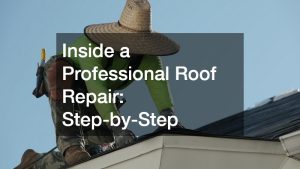
Practical Tips for Upgrading Your House
Upgrading your home can feel overwhelming at first, especially with so many options, materials, and services available. However, regular improvements not only make your home more comfortable and enjoyable but can also increase its long-term value. Thoughtful upgrades improve energy efficiency, enhance aesthetics, and prevent costly repairs down the line.
Whether you are a first-time homeowner or have lived in your house for decades, there are practical steps you can take to make meaningful improvements. From maintaining essential systems to enhancing your living spaces, this guide offers actionable advice to help you tackle home upgrades with confidence.
Boost Energy Efficiency in Your Home
Upgrading your home can feel overwhelming at first, especially with so many options, materials, and services available. However, regular improvements not only make your home more comfortable and enjoyable but can also increase its long-term value. Thoughtful upgrades improve energy efficiency, enhance aesthetics, and prevent costly repairs down the line.
Whether you are a first-time homeowner or have lived in your house for decades, there are practical steps you can take to make meaningful improvements. From maintaining essential systems to enhancing your living spaces, this guide offers actionable advice to help you tackle home upgrades with confidence.
Improving energy efficiency is one of the most impactful ways to upgrade your home. Not only does it reduce monthly utility bills, but it also increases overall comfort throughout the year. Start by assessing your existing heating and cooling systems and identifying areas of inefficiency. Often, small adjustments can yield noticeable savings, while larger upgrades can provide long-term benefits and reduce the environmental footprint of your home.
Tips for optimizing home energy use:
- Schedule professional inspections for your HVAC system to ensure it operates at peak efficiency. This includes checking ductwork for leaks, cleaning or replacing filters, calibrating thermostats, and evaluating overall system performance. Regular maintenance helps the system run efficiently and prevents costly breakdowns.
- Consider heat pump replacement if your existing system is outdated. Modern heat pumps are highly energy-efficient, capable of both heating and cooling your home while using less energy than traditional furnaces or air conditioners. Even partial upgrades, like installing a ductless mini-split in high-use areas, can make a significant difference.
- Seal drafts around doors, windows, and other gaps in the home’s envelope to prevent heat loss in winter and maintain cool air during summer. Weather-stripping, caulking, and properly fitting door sweeps are cost-effective methods to reduce air leakage.
- Add insulation in attics, walls, and basements to stabilize indoor temperatures. Proper insulation reduces the workload on your heating and cooling systems, keeps rooms comfortable, and can even improve the soundproofing of your home.
- Upgrade to energy-efficient lighting and appliances to complement your heating and cooling improvements. LED bulbs, Energy Star-rated refrigerators, and smart thermostats further reduce energy consumption.
- Monitor your energy usage with a smart home energy system or simple energy monitors. Understanding which appliances or areas consume the most energy can help prioritize upgrades and ensure you’re getting the most value from your improvements.
By addressing these areas, you not only improve comfort and reduce energy costs but also extend the life of your home’s mechanical systems and create a healthier, more sustainable living environment.
Maintain and Repair Your Roof Strategically
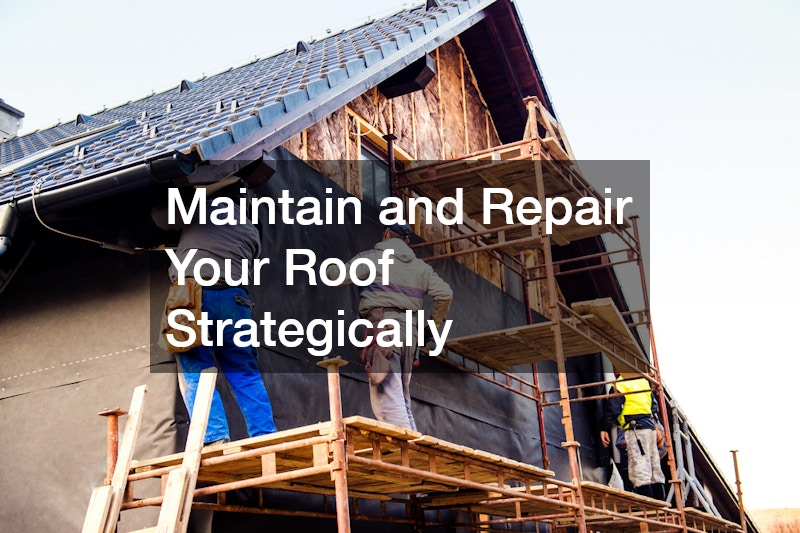
A sound roof is essential for protecting your home from water damage and maintaining its structural integrity. The roof and exterior siding are your home’s first line of defense against weather, pests, and environmental wear, so keeping them in good condition is critical. Regular inspection and maintenance can prevent costly repairs, extend the life of your roof, and maintain your home’s overall value.
Practical steps for roof and siding care:
- Schedule routine inspections with professional roofing services to check for damaged shingles, leaks, loose flashing, or other signs of wear. Early detection of minor issues can prevent expensive repairs down the line. Consider having inspections twice a year, ideally in spring and fall, or after major storms.
- Keep gutters, downspouts, and drains clean to ensure water flows away from your home. Clogged gutters can cause water to back up under shingles or siding, leading to leaks, wood rot, or foundation damage. Installing gutter guards can reduce maintenance while still protecting your home.
- Inspect siding for cracks, rot, warping, or gaps, and schedule repairs with siding services as needed. Properly maintained siding prevents moisture intrusion, reduces energy loss, and improves your home’s curb appeal. For older homes, consider painting or sealing siding to provide an additional protective layer.
- Consider upgrading to more durable roofing materials if your roof is nearing the end of its lifespan. Options like metal, slate, or architectural shingles can provide longer-lasting protection and may improve energy efficiency.
- Trim overhanging tree branches and remove debris from the roof to prevent damage from falling limbs and reduce the risk of mold or moss growth, which can compromise roofing materials.
- Document all repairs and upgrades to track maintenance history. This is helpful for scheduling future inspections and increases your home’s resale value.
Maintaining both the roof and siding not only protects your home from the elements but also enhances its aesthetic appeal, energy efficiency, and long-term durability. A proactive approach to roof and exterior care saves money, reduces stress, and ensures your home remains a safe, comfortable place for years to come.
Upgrade Your Plumbing for Safety and Convenience
Plumbing issues can disrupt daily life and cause extensive damage if left unaddressed. A small leak or clogged drain can quickly escalate into costly repairs, structural damage, or even health hazards. Regular maintenance and timely upgrades are essential for keeping your plumbing system efficient, safe, and reliable. Proper care also helps conserve water, reduce utility bills, and prevent long-term damage to your home.
Tips for a reliable plumbing system:
- Schedule routine inspections with professional plumbing services to identify leaks, corrosion, outdated pipes, or faulty fixtures. A trained plumber can detect hidden problems behind walls or under floors that may not be obvious during a casual inspection.
- Replace worn-out faucets, showerheads, and valves to prevent water waste and improve functionality. Consider installing water-efficient fixtures to reduce consumption while maintaining strong water pressure.
- Ensure proper drainage in bathrooms, kitchens, and laundry areas. Regularly clean traps, drains, and vents to prevent clogs and backups that can cause water damage and foul odors.
- Be vigilant for signs of water damage, such as discoloration, warped floors, or musty smells. Prompt action can reduce the risk of more extensive damage.
- If you ever encounter visible mold, consult a mold remediation service to remove it safely and prevent future growth. Mold often results from leaks or moisture buildup, so addressing plumbing issues quickly helps protect both your home and your family’s health.
- Consider upgrading older plumbing systems, especially in homes with galvanized or outdated pipes, to prevent corrosion, leaks, and reduced water quality.
- Insulate exposed pipes to prevent freezing during colder months, which can lead to burst pipes and extensive water damage.
By maintaining your plumbing system proactively and addressing issues as they arise, you ensure a safer, more efficient home. Proper plumbing care not only protects your property but also contributes to a healthier and more comfortable living environment for you and your family.
Enhance Outdoor Living Spaces

Creating functional and inviting outdoor spaces increases your home’s livable area and provides a place for relaxation, socializing, and entertainment. Well-planned upgrades not only make these areas more attractive but also enhance safety, usability, and overall enjoyment. By investing in outdoor improvements, you can extend your living space beyond the walls of your home and create a backyard oasis that suits your lifestyle.
Ways to improve outdoor areas:
- Repair or maintain your pool regularly with professional pool repairs to keep the water clean, safe, and equipment functioning properly. Routine maintenance prevents costly damage to pumps, filters, and plumbing, and ensures the pool remains a comfortable retreat throughout the year.
- Install sliding patio doors to create a seamless transition between indoor and outdoor living areas. These doors bring in natural light, improve ventilation, and provide easy access to decks, patios, or gardens. Modern options with energy-efficient glass can also help reduce heat loss and improve insulation.
- Add outdoor furniture, shade structures such as pergolas or umbrellas, and lighting to create a welcoming environment for dining, lounging, or hosting gatherings. Consider using weather-resistant materials to reduce maintenance and prolong the life of your investments.
- Incorporate landscaping improvements like planting trees, shrubs, flower beds, or even a vegetable garden to enhance the aesthetic appeal and functionality of your yard. Strategically placed plants can provide privacy, shade, and even act as natural windbreaks.
- Include pathways, patios, or seating areas with durable materials like stone, concrete, or composite decking. This creates defined spaces, improves accessibility, and reduces wear on grass and other surfaces.
- Consider outdoor features such as fire pits, water features, or built-in grills to increase the versatility and enjoyment of your backyard. These elements encourage family activities and entertaining friends while adding value to your property.
By combining functionality with aesthetics and incorporating both maintenance and design improvements, outdoor upgrades can transform your backyard into a versatile, comfortable, and enjoyable space that enhances your overall living experience.
Improve Indoor Airflow and Comfort
Proper airflow ensures that your home remains comfortable throughout the year while reducing strain on your HVAC system. Simple adjustments and targeted installations can make a noticeable difference.
Strategies for better indoor airflow:
- Install ceiling fans in main living areas and bedrooms to promote circulation and improve comfort.
- Schedule regular maintenance for HVAC services to ensure optimal airflow and energy efficiency.
- Keep vents unobstructed and clean to allow air to move freely through each room.
- Consider using zoning systems or programmable thermostats to control temperatures in different areas of the home.
By optimizing airflow, you can create a more comfortable living environment while reducing energy costs and extending the life of your heating and cooling systems.
Transform Your Kitchen for Function and Style
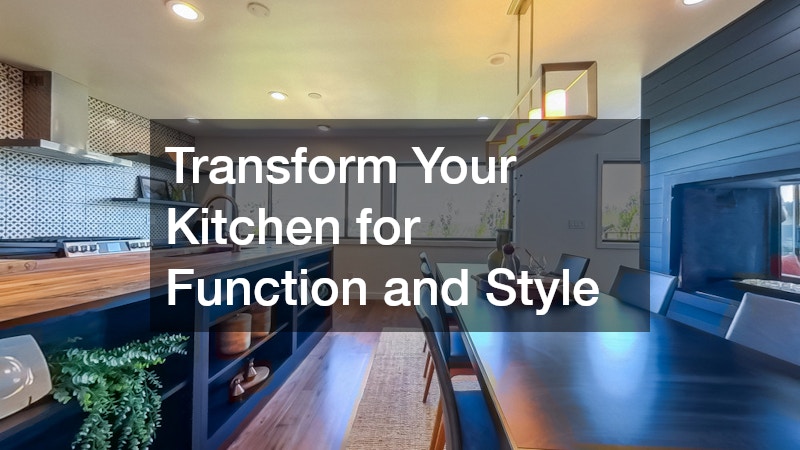
The kitchen is often the heart of the home, so upgrading this space can dramatically enhance both functionality and aesthetics. Thoughtful remodeling ensures your kitchen meets your family’s needs while increasing property value.
Practical kitchen upgrade tips:
- Plan the layout carefully to maximize workflow between the sink, stove, and refrigerator.
- Replace outdated cabinetry or install new storage solutions for better organization.
- Upgrade countertops, backsplash, and flooring for durability and style.
- Address plumbing needs, such as new faucets or improved drainage, during the remodel.
Whether you opt for a full kitchen remodeling project or smaller updates, these improvements enhance your daily experience and increase the long-term value of your home.
Protect Against Water Damage and Mold
Moisture issues can cause structural damage and health problems if not addressed promptly. Preventing water damage and managing mold growth are critical components of a comprehensive home upgrade plan.
Steps to minimize moisture risks:
- Schedule inspections and treatments with a mold remediation service if you detect signs of mold or musty odors.
- Ensure siding is properly installed and sealed to prevent water intrusion.
- Maintain gutters, downspouts, and drainage systems to redirect water away from your foundation.
- Use dehumidifiers or improve ventilation in basements, bathrooms, and other moisture-prone areas.
Proactive measures protect both your home and your family’s health while avoiding costly repairs.
Upgrade Doors and Windows for Functionality and Security
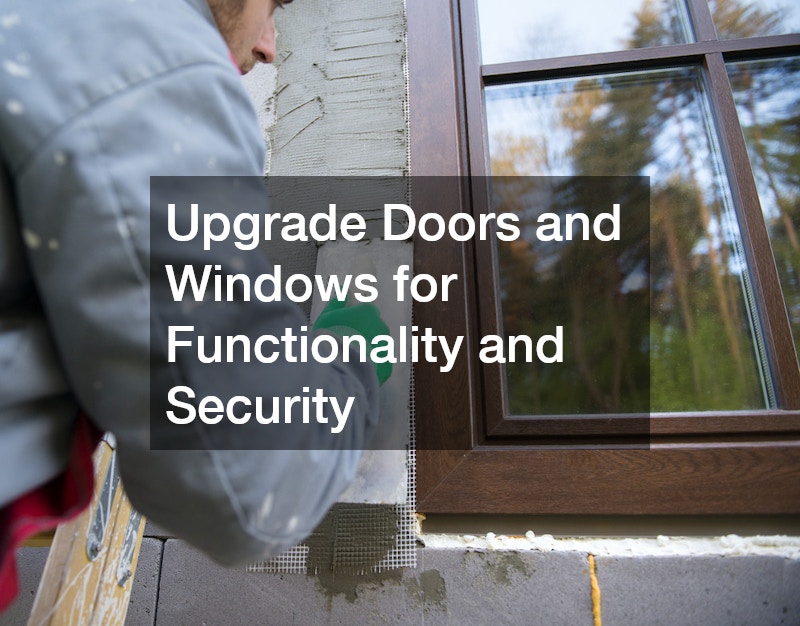
Replacing or improving doors and windows can enhance both comfort and safety. Well-chosen installations provide energy savings, increased security, and better aesthetic appeal.
Tips for door and window upgrades:
- Install sliding patio doors to improve access, increase natural light, and create a seamless connection between indoor and outdoor areas.
- Ensure all doors and windows are weatherproofed to prevent drafts and water intrusion.
- Consider upgrading hardware, locks, and seals for added security.
- Pair door improvements with ceiling fan installation in nearby rooms to optimize airflow and comfort.
These upgrades improve the overall efficiency, safety, and livability of your home.
Plan Seasonal Home Maintenance Wisely
Regular maintenance is key to keeping your home in peak condition throughout the year. A well-planned schedule prevents small problems from becoming major expenses.
Seasonal maintenance tips:
- Inspect and repair roofs before heavy rainfall or winter weather with the help of professional roofing services.
- Check and maintain pools during summer months, scheduling pool repairs as needed.
- Clean gutters and downspouts in the fall to prevent water buildup.
- Service heating and cooling systems to ensure they perform efficiently year-round.
By following a seasonal routine, you can protect your home, extend the life of key systems, and prevent costly emergency repairs.
Budgeting and Prioritizing Upgrades
Upgrading a home can quickly become expensive, so careful planning and budgeting are essential. Prioritize projects based on need, impact, and potential return on investment.
Smart strategies for home improvement budgeting:
- Assess which upgrades are essential for safety and efficiency, such as heat pump replacement or critical plumbing repairs.
- Plan higher-impact renovations, like kitchen remodeling, in phases to manage costs effectively.
- Obtain multiple quotes from contractors and professionals to ensure competitive pricing.
- Factor in long-term savings from energy-efficient upgrades and maintenance improvements.
By making strategic decisions and budgeting wisely, homeowners can achieve meaningful upgrades without overspending.
Upgrading your home doesn’t have to be overwhelming. By taking a strategic approach, focusing on practical improvements, and planning for both maintenance and renovation, you can enhance comfort, safety, and overall value.
From energy-efficient systems to functional outdoor spaces, thoughtful upgrades improve the way you live while protecting your investment. Start by identifying the most critical areas, schedule necessary professional services, and tackle improvements in manageable steps. With careful planning and attention to detail, your home can become a more enjoyable, functional, and beautiful place for years to come.