How to Make a Room Look Bigger: 7 Strategic Paint Techniques for Small Spaces
We have all been there. You find a room in your house that feels just a little too cramped. Maybe it’s a guest bedroom that feels like a closet, or a living room that seems to shrink every time you add a chair. When a space feels small, it can feel cluttered and stressful. You might think the only way to fix it is to knock down a wall or build an addition, but that costs a fortune and takes months of work.
The truth is that you can change the entire “feel” of a room with nothing more than a few cans of paint and a Saturday afternoon. Paint is the most powerful tool in the home improvement world. It doesn’t just change the color of the walls; it changes how light moves and how our eyes perceive boundaries. By using specific “visual tricks,” you can push the walls back and lift the ceiling without moving a single brick.
If you are looking for how to make a room look bigger, these seven strategic paint techniques will help you transform your small space into an airy, open sanctuary.
The Science of Light and Space
Before we pick up a brush, we need to understand a little bit about how our eyes work. Our brains judge the size of a room based on where “lines” and “shadows” appear. When a room has a lot of high-contrast lines—like dark walls against a bright white ceiling—our eyes stop at every corner. This makes the room feel “boxed in.”
To make a room feel larger, we want to reduce those “visual breaks.” We want the eye to glide smoothly across the surfaces without stopping. We also want to maximize LRV, or Light Reflectance Value. Every paint color has an LRV score from 0 to 100. The higher the number, the more light the paint reflects. More reflected light means a brighter, more open-feeling room.
1. The “Monochrome” or “Color Drenched” Look
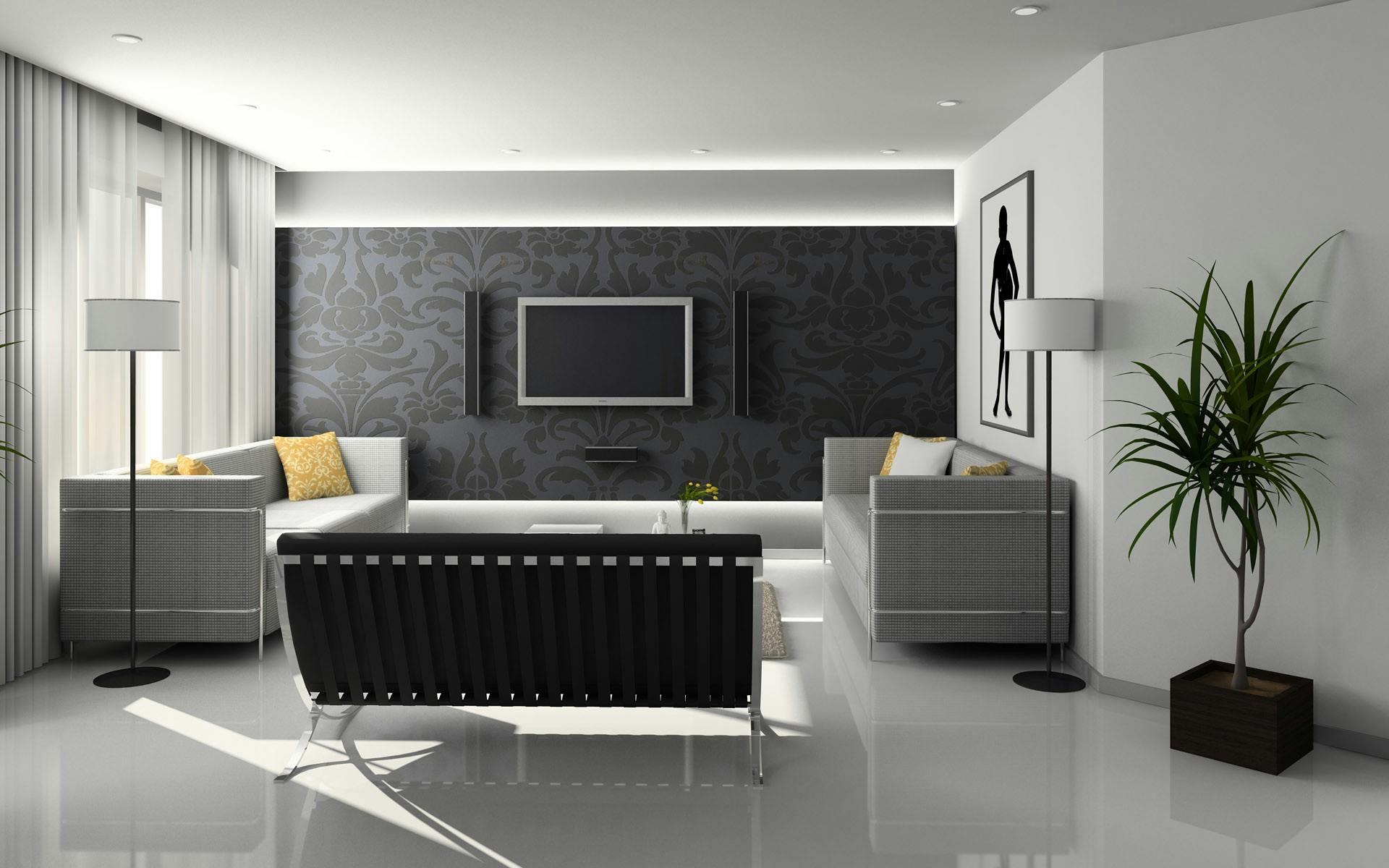
One of the most effective ways to hide the boundaries of a small room is to use the same color for everything. Traditionally, people paint walls one color, the baseboards white, and the ceiling a different white. This creates “stripes” around the room that highlight exactly where the floor ends and the walls begin.
- The Technique: Paint your walls, baseboards, window trim, and even the doors in the exact same color.
- Why it Works: When the trim matches the walls, the “outline” of the room disappears. Your eyes don’t get stuck on the door frame or the baseboards. This makes the walls feel like they go on forever.
- Pro Tip: Use a “flat” or “matte” finish on the walls and a “satin” or “semi-gloss” finish on the trim in the same color. The slight change in shine adds depth without breaking the visual flow.
2. Paint the Ceiling a Lighter Shade (or the Same Color)
The ceiling is often called the “fifth wall,” but it is usually the most neglected. In a small room, a dark or “standard” white ceiling can feel like a heavy lid sitting on top of the space.
- The Technique: If you want the room to feel taller, paint the ceiling a shade or two lighter than the walls. If you are feeling bold and using a light neutral on the walls, carry that same color right up onto the ceiling.
- Why it Works: Painting the ceiling the same color as the walls removes the “horizon line” where the wall meets the top of the room. This tricks your brain into thinking the ceiling is higher than it actually is.
- The “Cool” Factor: Use cool tones like light blues or soft greys. Cool colors are “recessive,” meaning they appear to move away from the viewer. Warm colors (like reds or oranges) “advance” toward you, which can make a room feel smaller.
3. Use “Cool” Neutrals to Push Walls Back
As we just mentioned, cool colors—blues, greens, and greys—have a magical ability to look further away than they really are. This is a classic trick used by professional designers who know how to make a room look bigger.
- The Technique: Instead of a warm “creamy” beige, look for a “crisp” grey or a very pale “sea-foam” green.
- Why it Works: These colors mimic the sky and the horizon. They create a sense of distance. If you paint a small bathroom a very light, cool grey, the walls will feel like they have moved back a few inches, giving you more “visual” elbow room.
- LRV Check: Look for colors with an LRV of 60 or higher. This ensures the color is light enough to bounce plenty of sunshine around the room.
4. Paint Vertical Stripes for Height
If your problem isn’t the width of the room but the low ceilings, you need to draw the eye upward. Vertical lines act like an arrow, pointing toward the ceiling and making the room feel “stretched.”
- The Technique: You don’t need high-contrast black and white stripes. Instead, use “tone-on-tone” stripes. Use one color for the whole wall, then use a slightly different sheen (like matte vs. glossy) or a color that is just one shade darker to create wide, vertical bands.
- Why it Works: This mimics the look of columns. It adds architectural interest and forces the eye to travel from the floor to the ceiling, emphasizing height rather than the cramped floor space.
- Modern Twist: You can also achieve this by painting a “wainscoting” effect but keeping the top section much longer than the bottom to elongate the wall.
5. The “Accent Wall” Depth Trick
There is a common myth that you should never use dark colors in a small room. This is actually wrong! While four dark walls might make a room feel like a cave, one dark “accent” wall can create an illusion of incredible depth.
- The Technique: Paint the wall furthest from the door a deep, receding color like navy blue, charcoal, or forest green. Paint the other three walls a very light, bright white.
- Why it Works: The dark color creates an “infinite” effect. It’s like looking into a deep tunnel. The dark wall appears to sit further back than the light walls, which adds a sense of “mystery” and space to the room.
- Furniture Pairing: Place a light-colored sofa or a large mirror against that dark wall to create even more contrast and “pop.”
6. Paint Your Bookshelves the Same Color as the Walls
Bulky furniture is the number one enemy of a small room. A large, dark wood bookshelf can look like a giant block taking up three feet of space.
- The Technique: If you have built-in shelves or even a basic IKEA bookcase, paint it the exact same color as the wall behind it.
- Why it Works: This is called “camouflaging.” When the furniture matches the wall, it “recedes” into the background. Instead of looking like an object in the room, it looks like part of the wall itself.
- The Result: The room feels less cluttered, and the floor space feels more open because your eye isn’t stopping at the edges of the furniture.
7. Paint Window Trim and “Mullions” a Bright White
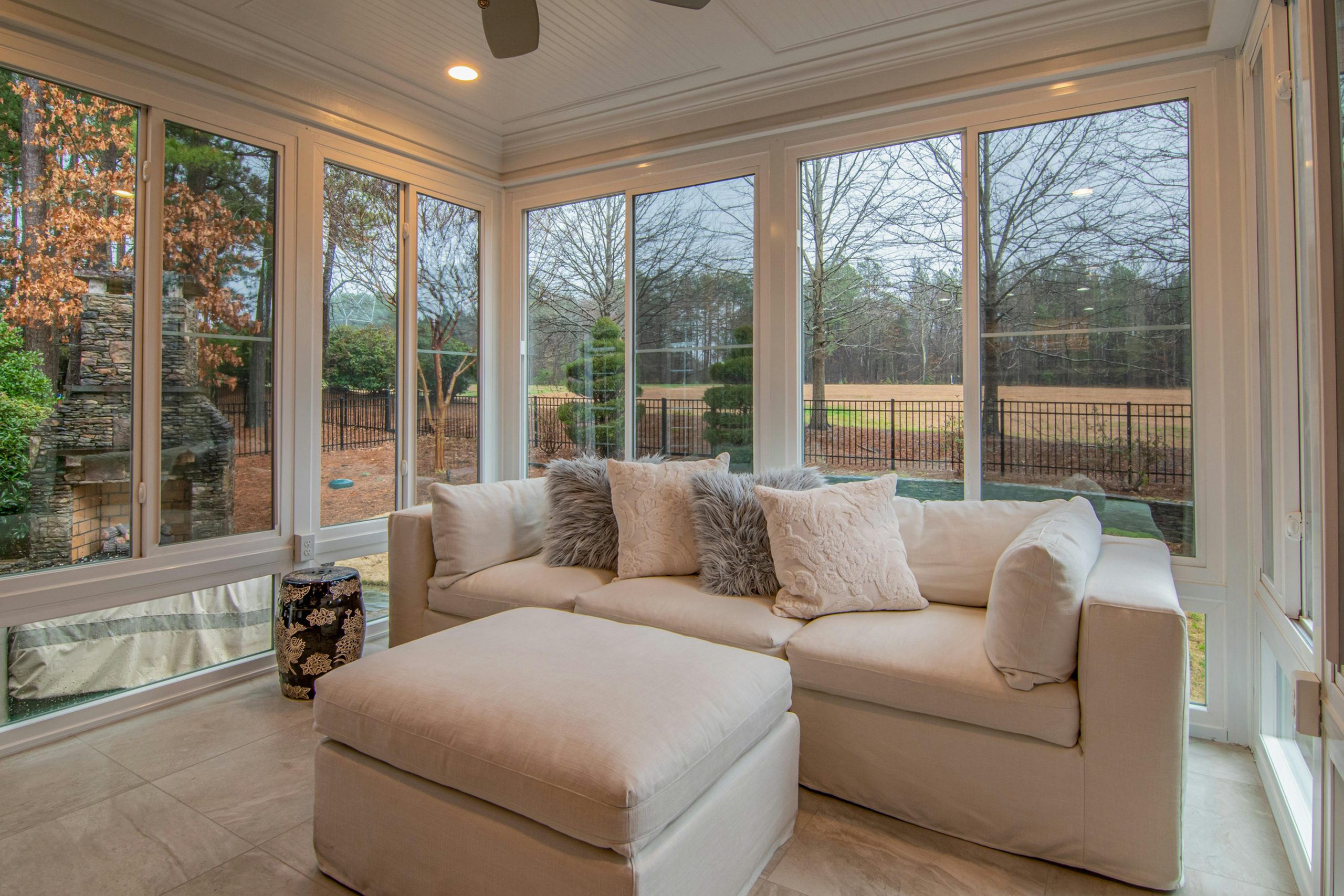
Natural light is the best way to make any space feel huge. If you have windows, you want to turn them into a giant “frame” for the outside world.
- The Technique: Paint the window frames and the little bars between the glass (mullions) a very bright, high-gloss white.
- Why it Works: The gloss reflects the sunlight as it enters, “amplifying” the light. By keeping the frames bright, you draw the eye toward the view outside.
- The “Outdoor Connection”: When you focus on the view outside, your brain stops focusing on the small square footage of the room you are standing in. The “room” becomes as big as the yard or the street outside.
Bonus Tip: Don’t Forget the Floor!
While this is a guide about paint, the floor plays a massive role in how we see space. If you have a dark floor and light walls, you create a very strong “boundary line” where they meet.
- Home Improvement Hack: If you aren’t ready to replace your floors, consider a large, light-colored area rug that covers most of the space. Or, if you have old wooden floors that are in bad shape, painting them a light, durable “porch and floor” enamel can completely open up a room. A light floor makes the entire base of the room feel wider.
Conclusion
You don’t need a sledgehammer to fix a small room. By understanding how to make a room look bigger through the power of paint, you can take control of your home’s atmosphere. Whether you choose to “color drench” the entire space, add a deep accent wall for depth, or simply brighten up your window trim, these techniques are all about managing light and removing visual clutter.
The next time you walk into that cramped bedroom or tiny home office, don’t see a problem—see a blank canvas. With a little bit of strategy and the right can of paint, you can turn any small box into a spacious, comfortable room that feels twice its actual size.