The Ultimate Guide to Electrician Services
The Ultimate Guide to Electrician Services
Introduction
In this guide, we will delve into the essential services provided by electricians, what you need to know when working with them, and how to ensure that your electrical systems are both safe and efficient. Electricity is a cornerstone of modern life, powering our homes, workplaces, and industries. As technology evolves, the role of electricians continues to expand, diversifying into various specialized areas.
Understanding these services helps you make informed decisions about electrical projects.
What Are the Different Types of Electrician Services?
Residential electrical services cover a broad range of home installations and repairs. These include wiring new homes, installing lighting systems, and upgrading electrical panels. Electricians also ensure that homes meet safety standards, preventing potential hazards. When remodeling, they integrate new electrical needs seamlessly into existing setups. Their work is essential in keeping your home energy efficient and up to modern specifications.
For residential settings, electrical inspectors play a key role. They perform checks on installations to ensure compliance with local codes. This service is critical in avoiding risks such as electrical fires. Electricians often collaborate with other contractors during construction phases. This teamwork ensures all home systems operate smoothly and safely.
Commercial Electrical Services
Commercial electrical services tailor solutions for business environments. This includes installing complex wiring systems and satisfying high consumption needs of equipment. Electricians in this sector are adept at scaling solutions according to business size and industry. They support everything from retail storefronts to corporate buildings, ensuring systems run efficiently. Expertise in this area minimizes downtime, which is crucial for business continuity.
Safety regulations in commercial spaces are stringent and demand rigorous adherence. Electricians are responsible for aligning installations with these regulations. This ensures all equipment is not only operational but secure for all employees. Businesses often require specialized lighting and power backup systems. Electricians design these setups to optimize energy usage and enhance workplace functionality.
Industrial Electrical Services
Industrial electrical services focus on high-power and complex installations. Electricians in this field handle heavy machinery, specialized equipment, and large-scale systems. This often involves designing and implementing custom control systems. Industrial environments demand resilience; hence, electricians regularly update systems to prevent outages. Their role is crucial in maintaining productivity and operational integrity.
Routine maintenance is pivotal in industrial settings to preempt any failures. Scheduled inspections and tune-ups ensure equipment runs flawlessly. By identifying wear and potential malfunctions early, industrial electricians mitigate costly downtimes. Adapting to technological advancements is another necessity; electricians stay current with new industrial innovations, integrating them seamlessly. Their expertise helps industries maintain competitive edges.
Emergency Electrical Services
Emergency electrical services are critical for addressing urgent issues. Electricians provide prompt response to minimize risk and restore power swiftly. Common emergencies include power outages, electrical faults, and potential fire hazards. Fast and effective interventions ensure safety and reduce damage to property and lives. Having an emergency plan and a reliable electrician in your contact list is vital for both homes and businesses.
Electricians trained in emergencies perform rapid diagnostics to pinpoint issues. Their quick assessments save time and prevent hazards from escalating. After identifying problems, they craft immediate solutions to restore functionality. This service is crucial during natural disasters or accidents that disrupt electrical systems. Electricians stand ready to provide assistance no matter the time or day.
How Do I Choose the Right Electrician?
Choosing the right electrician begins with verifying their credentials. Licensed electricians have undergone specific training and passed requisite examinations. Checking certifications ensures you hire competent professionals. These credentials reflect a commitment to safety standards and quality of work. Always request proof of licensing before contracting an electrician for your needs.
Further insights come from understanding the types of licenses available. Electricians may hold general, residential, commercial, or specialized licenses. Each type denotes specific skills and areas of expertise, helping you match your needs. Inquire about the expiration and renewal of licenses, as this indicates ongoing professional development. An up-to-date license testifies to an electrician’s capability in adopting new industry standards and technologies.
Assess Their Experience and Expertise
Experience and expertise are paramount when selecting an electrician. Electricians with extensive industry experience are well-equipped to handle diverse challenges. They bring refined skills honed over years of practice and problem-solving. Expertise in specific areas, such as renewable energy or industrial systems, can be significant. This specialization often translates into more efficient, tailored service solutions.
When evaluating experience, consider the types and scale of projects they have handled. Previous work on similar tasks is often a good indicator of competence. It suggests familiarity with potential pitfalls and knowledge of optimal solutions. Expertise is also reflected in the ability to innovate, providing modern solutions to traditional problems. Look for electricians who continue to expand their skills through workshops and seminars.
What is the Cost of Hiring an Electrician?
The cost of hiring an electrician varies widely, influenced by several factors. One primary consideration is the complexity of the job. Larger projects with intricate requirements often demand more resources and time. Additionally, the level of expertise needed can affect pricing; specialized skills demand higher compensation. Geographical location also plays a pivotal role, affecting labor rates and material accessibility.
Another significant element is urgency, especially for emergency services. Immediate call-outs typically command a premium rate compared to scheduled work. This reflects the value of prioritizing urgent needs and hurdles faced in resource allocation. Material quality and brand preference further influence costs. Durable, high-quality tools and parts come at a premium but often ensure better performance and longevity.
Conclusion
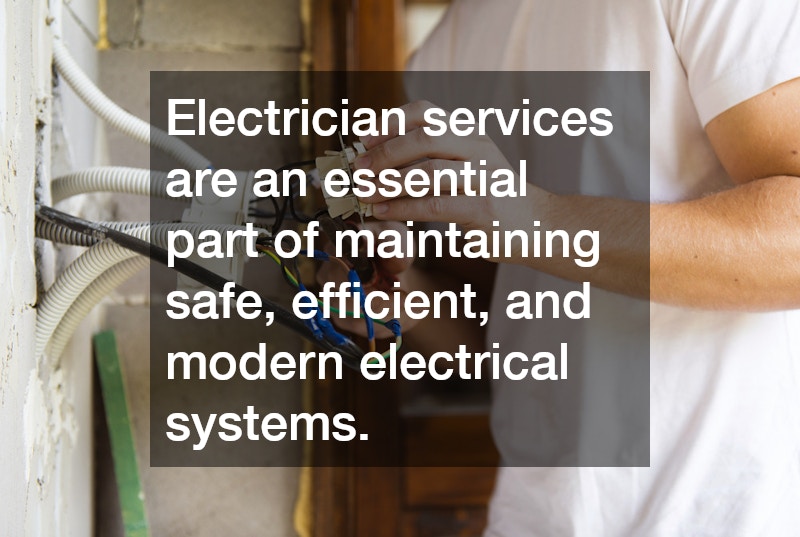
Electrician services are an essential part of maintaining safe, efficient, and modern electrical systems in residential, commercial, and industrial settings. From routine maintenance and emergency repairs to complex installations and renewable energy solutions, skilled electricians play a critical role in supporting everyday life and future innovation. Understanding the different types of services available, how to choose the right professional, and what factors influence cost empowers you to make informed, confident decisions for any electrical project.