Inside a Professional Roof Repair Step-by-Step
Professional roof repair is a critical process that ensures the longevity and integrity of your home’s structure. In this article, we will explore the various steps involved in a professional roof repairs, from initial inspection to final assessment. By understanding each step, homeowners can be more informed about what to expect during roof repair and ensure their project is on the right track.
1. What Are the Initial Steps in Roof Repair?
The first step in any professional roof repair process is conducting a thorough inspection. Roofers examine the roof’s surface for visible damage, including missing shingles and weathering signs.
They also look for less obvious issues such as water damage or structural degradation underneath the surface. Detailed notes and photographs are often taken during this stage to document the extent of the damage. This comprehensive inspection allows contractors to prepare an accurate estimate for the repairs required.
Once the inspection is complete, a discussion with the homeowner follows to outline the findings and propose solutions. This meeting provides an opportunity for homeowners to ask questions and understand the scope of the work needed. It’s crucial to address any concerns at this stage to ensure the homeowner is comfortable with the proposed plan. Typically, roofers provide detailed estimates of the costs involved, which helps homeowners budget accordingly. The agreement formalizes in a contract outlining the project’s terms.
Following the inspection and agreement, the roof repair service will prepare for the actual repair work. This preparation involves ordering the necessary materials and scheduling labor. Often, unforeseen weather conditions or shipping delays can affect this timeline, emphasizing the need for flexibility in scheduling. Proper planning and preparation ensure that once work begins, it proceeds smoothly without unnecessary interruptions. The readiness of both materials and workforce sets the stage for effective repair work.
2. What Materials Are Best for Roof Repair?
Choosing the right materials is vital for the success of a roof repair project. The selection largely depends on the existing roof material and the extent of damage. Asphalt shingles are a popular choice due to their affordability and ease of installation. For more durable options, materials like metal or slate might be recommended, especially in areas prone to severe weather. Each choice has its advantages and disadvantages, which should be discussed with the contractor.
In assessing materials, one must consider durability, cost, and aesthetic appeal. For instance, metal roofing is known for its long lifespan and resistance to elements, making it cost-effective in the long term despite higher initial costs. On the other hand, clay tiles offer a classic look and durability but require a more robust roof structure due to their weight. Homeowners need to balance these factors based on their budget and structural limitations. Proper sealing and insulation materials also play critical roles in the repair process.
Moreover, the environmental impact and energy efficiency of roofing materials are increasingly important considerations. Reflective materials can reduce energy costs by deflecting sunlight, thereby reducing heat absorption. Sustainable options like recycled content roofing materials contribute to environmental conservation efforts. Discussing these possibilities with a professional installer ensures that the chosen materials meet both functional and ecological needs. Ultimately, the materials selected should align with the homeowner’s long-term plans and priorities.
3. How Do Professionals Schedule the Repair Process?
Scheduling is a critical component of professional roof repair to minimize disruption and ensure efficient project flow. The ideal time for roof repairs is typically during dry seasons when there is less risk of weather-related delays. Contractors usually begin by assessing the weather forecast to plan for extended periods of dry, stable conditions. Effective scheduling allows for the efficient allocation of time and resources, which helps contractors meet deadlines and budgets.
Clear communication with homeowners is vital during the scheduling process. Homeowners should be informed of start and completion dates as well as any potential delays. Contractors should maintain transparency and provide regular updates to manage expectations effectively. By having this open dialogue, homeowners can plan their activities accordingly and minimize any personal inconvenience. Adapting to unexpected issues also requires flexibility and collaboration between the contractor and homeowner.
Moreover, the project timeline should include buffer periods to accommodate unforeseen challenges. Common issues such as hidden roof damage, unexpected weather changes, or material shortages can impact deadlines. A thoughtfully constructed schedule with built-in contingencies can mitigate these risks, ensuring the project remains on track. Contractors should regularly review and adjust timelines to reflect the progress and any emerging priorities. Efficient scheduling not only leads to a successful repair project but also enhances client satisfaction.
4. What Safety Procedures Are Followed?
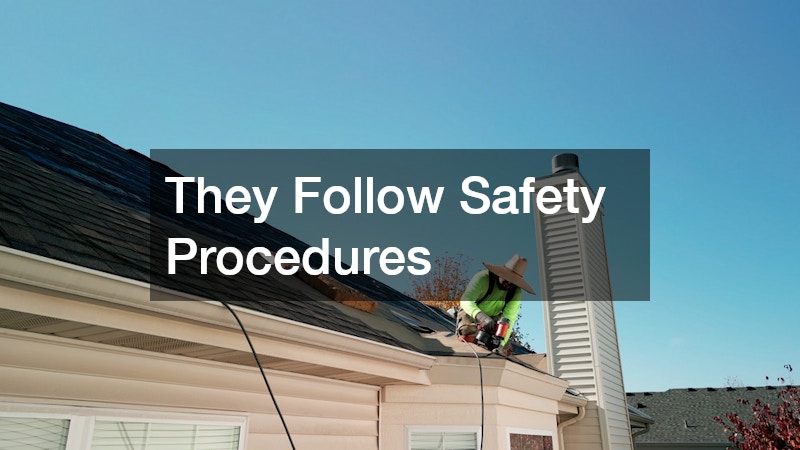
Safety is paramount in any roofing project, given the inherent risks associated with working at height. Professional roofers adhere to strict safety standards to prevent accidents and ensure a smooth workflow. This includes wearing appropriate personal protective equipment (PPE) such as hard hats, harnesses, and non-slip footwear. The use of safety barriers and warning signs around the worksite also helps protect both the workers and the household members.
Before commencing work, roofers conduct a comprehensive site assessment to identify potential hazards. This involves evaluating the stability of the work surfaces and checking for any electrical hazards. Proper safety protocols are established to address each identified risk adequately. Regular safety drills and training sessions are conducted to reinforce the rules and enable quick, calculated actions in emergencies. A commitment to safety not only safeguards lives but also ensures compliance with regulatory standards.
Moreover, communication is integral to maintaining a safe working environment. Clear instructions should be outlined, and any safety concerns should be promptly addressed. Contractors are responsible for ensuring all workers are adequately trained and aware of emergency procedures. Coordination between team members prevents accidents and enhances efficiency during the roof repair process. By prioritizing safety, professionals ensure that projects are not only successful but also conducted responsibly.
5. How Is the Quality of Roof Repair Assessed?
After completion, evaluating the quality of roof repairs is an essential step to ensure all issues have been resolved. A professional inspection checks for the integrity of the new materials and structural enhancements. Contractors look for uniformity in the application, ensuring there are no gaps or uneven areas that might lead to future problems. These finer details are critical indicators of a job well done, reassuring homeowners of their investment’s longevity.
Besides visual assessments, testing for leaks is another critical measure. Water testing is conducted to verify that no water penetrates the structure, safeguarding against future water damage. This step is often followed by thermal imaging to detect any hidden moisture not visible to the naked eye. Addressing these aspects ensures comprehensive quality assurance that protects against unforeseen repair needs. Quality assessment is an investment in avoiding recurring issues and prolongs the roof’s life span.
Finally, detailed documentation of the work done and the materials used is provided for the homeowner’s records. This documentation serves as a reference for any potential future maintenance or repair needs. It also plays a role in insurance claims or resale scenarios where proof of professional work benefits the transaction. By ensuring the highest quality standards in roof repair, professionals uphold their reputation and client trust. Homeowners gain peace of mind knowing their roof repair has been handled with expertise and meticulous care.
The meticulous process of professional roof repair involves various steps, each crucial to ensuring a safe and durable roof. By following the outlined steps and considering key questions, homeowners can better understand and manage their roof repair projects effectively. Not only does this enhance the lifespan and safety of the home, but it also provides peace of mind knowing that the structure is robust and well-constructed.