13 Home Repairs to Tackle as Soon as Theyre Needed
Some home repairs feel easy to postpone because the problem seems small at first. The issue is that comfort problems rarely stay small, and the longer a repair waits, the more likely it is to spread into adjacent materials, systems, or rooms. If you treat early warning signs as a prompt to act, your home stays steadier, quieter, and easier to live in day to day. That approach also helps you avoid the stress of discovering a minor issue only after it becomes a disruptive project.
The most practical way to prioritize is to start with repairs that affect safety, water control, and core systems, then move to fixes that improve daily comfort like drafts, glare, and noisy operation. The list below focuses on repairs that tend to worsen quickly, along with what to watch for and why timing matters. None of these require guessing, because each has clear signals that the home is asking for attention. When you respond promptly, the payoff is a home that feels more consistent in every season.
Respond to Roof Leaks Immediately
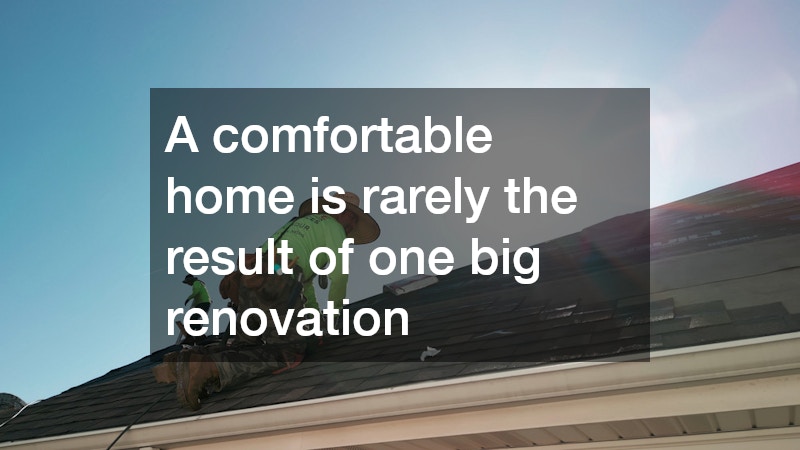
When water shows up where it should not, the clock starts running on both damage and discomfort, even if the drip seems minor. Calling roofers early can help you address the entry point before moisture spreads into insulation, drywall, and framing. Look for stains that grow after rain, damp attic decking, or a musty smell that appears in the same area repeatedly. Quick action here often prevents a small repair from turning into a drawn-out interior restoration.
After the active leak is stopped, the next step is confirming nothing else is quietly holding moisture. Wet insulation can lose performance and create cold, clammy rooms long after the rain ends. It is also worth checking nearby vents, chimneys, and roof transitions, because water can travel before it becomes visible indoors. Once the roofline is dry again, other comfort upgrades work better because the building shell is doing its job.
Correct Overflowing Gutters Before Water Intrudes
Overflowing runoff can soak fascia boards, stain siding, and push water toward places that were not built to stay wet. If sections are pulling away, sagging, or spilling water at seams, gutter installation may be the most direct way to restore proper drainage. Watch for water lines on exterior surfaces, drips that land close to the foundation, or erosion channels below downspouts. This is one of those repairs where the visible mess is only part of the risk.
When water repeatedly falls in the same spot, it can also affect hardscapes and the way you move around the property. Pooled water that freezes, cracks that widen, or ruts that form near the driveway edge are all signs that the surface is taking too much runoff. In many cases, residential paving repairs help restore a smooth, properly sloped surface that sheds water instead of collecting it. Once drainage behaves, the home often feels drier and more stable, especially on lower levels.
Stop Siding Damage from Turning Into Rot
Small gaps and loose panels can let wind-driven rain reach the layers underneath, even when the exterior still looks mostly intact. When damage is widespread or sections are failing, local siding replacement can prevent moisture from reaching sheathing and insulation. Pay attention to soft spots, peeling paint that keeps returning in the same area, or panels that rattle on windy days. Addressing the issue early protects both comfort and structural materials.
After the exterior is secured, focus on what the damage may have affected behind the scenes. Moisture trapped in wall cavities can create lingering odors and reduce insulation performance, which makes rooms feel draftier and less consistent. It also helps to check caulking at trim and penetrations, because those details often explain why a problem started. Once the walls are sealed again, you can prioritize interior comfort fixes with more confidence.
Fix Drafts and Sticking Entry Points
If doors stick seasonally or you feel a consistent draft near a specific window, the problem is often more than a minor annoyance. Window and door contractors can identify whether the issue is weatherstripping, alignment, worn hardware, or a frame that has shifted over time. Signs include daylight at the edges, rattling during wind, or condensation patterns that appear along the same seam. Tightening up these openings can make a room feel calmer immediately.
Glare and uneven temperatures around glass are another comfort issue that tends to worsen with seasonal extremes. Installing window shades can reduce harsh afternoon heat, soften bright morning light, and help rooms feel more private and relaxing. The key is choosing coverage that fits how the room is used, not just what looks good in a showroom. Once the openings are sealed and light is controlled, it becomes easier to keep the home comfortable without constantly adjusting settings.
Treat Electrical Warning Signs as Urgent
Electrical issues can show up as nuisance problems at first, but they should be treated as time-sensitive because the stakes are higher than comfort alone. Flickering lights, warm outlets, buzzing sounds, and frequent breaker trips can point to loads that the system is not handling well. Electrical panel upgrades may be needed when capacity is limited, breakers no longer operate reliably, or the panel is not suited to modern usage patterns. Addressing this early protects the home and also makes future upgrades easier to plan.
Even when the symptoms seem intermittent, it helps to document what you are seeing and when it occurs. Patterns like certain appliances triggering trips or lights dimming during predictable use can speed up diagnosis. Clear labeling, proper grounding, and correct circuit loads also improve convenience, because you spend less time resetting breakers or avoiding normal usage. Once the electrical foundation is stable, other repairs can move forward with fewer surprises.
Address Heating and Airflow Problems Early
If your home has hot and cold rooms, short cycling, or airflow that feels weaker than it used to, the system may be struggling in ways that reduce daily comfort. A qualified HVAC company can check airflow, controls, and overall performance to identify issues like restricted returns, failing components, or ducts that are no longer delivering balanced air. Early attention is especially helpful when the problem appears gradually, because gradual decline is easy to normalize. When the system is running properly, the whole home feels more predictable.
Comfort improves further when you remove the small barriers that make conditioning less effective. Filters, blocked registers, furniture placement, and closed-off return paths can all create uneven results. It is also useful to verify thermostat placement and settings, because a thermostat that is influenced by sun or drafts can cause unnecessary swings. When airflow is steady again, the rest of the repairs on this list tend to have a bigger impact.
Handle Loss of Cooling the Same Day
A cooling system that cannot keep up is not just inconvenient, especially during humid weather when comfort depends on both temperature and moisture control. When the home suddenly feels sticky, vents blow warmer air, or the system runs without making progress, AC repair should move to the top of the priority list. Waiting can lead to more strain on key components, and it can make the indoor environment feel increasingly uncomfortable. Early service often restores performance before secondary problems develop.
Once cooling is restored, consider what may have contributed to the failure in the first place. Dirty coils, airflow restrictions, and controls that are out of calibration can cause the system to work harder than necessary. It also helps to watch for recurring patterns like freezing, water around the indoor unit, or sudden spikes in runtime. When the system is stable, you can focus on improvements that reduce load and help comfort hold steady.
Reduce Heat Gain and Cold Spots Near Windows
Window areas often create the sharpest comfort contrasts, especially in rooms with direct sun exposure or older glass. Adding or adjusting window shades can reduce radiant heat, limit glare, and make seating areas near windows feel usable again. This is particularly noticeable in offices, living rooms, and bedrooms where light levels affect relaxation and sleep. A well-chosen shading setup can make the room feel more even without changing the thermostat.
Shading also helps your cooling system maintain comfort with fewer swings. When sun load is reduced, you may notice the house holds temperature longer and feels less sticky during peak afternoon hours. That reduction in strain can lower the chance of needing urgent AC repair during the hottest stretch of the season. Once sunlight and drafts are managed, the home feels quieter and more consistent from room to room.
Take Garage Door Imbalance Seriously
A garage door that feels heavier, jerks during movement, or makes a sharp snapping sound can be signaling an imminent mechanical failure. Garage door spring replacement is not the kind of repair to delay, because a failing spring can stop the door from operating and create safety risks. Watch for uneven gaps when the door is closed, slow movement, or an opener that strains more than usual. Addressing this promptly restores smooth operation and reduces daily friction.
Even after the immediate issue is fixed, it helps to confirm the door is properly balanced and moving cleanly on its tracks. Lubrication, roller condition, and track alignment all influence how smoothly the system runs. Scheduling garage door spring replacement before a complete failure can also help you avoid being stuck with a door that cannot open when you need it. A quiet, predictable garage door makes arrivals and departures feel easier, especially in bad weather.
Repair Driveway Hazards Before They Spread
Driveways influence comfort in a more practical way, because cracks and uneven surfaces affect daily movement and safety. When you see potholes, widening cracks, or sinking edges, residential paving repairs can restore a smooth surface and reduce trip hazards. Drainage matters here as well, because water that sits in low spots can accelerate deterioration and create slick areas. Fixing the surface early often costs less than waiting until the damage becomes widespread.
Once the surface is stable, the goal is to keep it from being stressed by avoidable water and load issues. Pay attention to where downspouts discharge, where vehicles consistently turn, and where ruts begin forming after storms. Sealing, patching, and correcting slope issues can extend the life of the surface and keep it more comfortable to use. With the driveway addressed, outdoor access feels safer and more convenient year-round.
After Storms, Inspect the Whole Exterior
Storms can create damage that is not obvious from the ground, and that makes fast follow-up important even when everything looks normal at first glance. Roofers can help identify lifted shingles, damaged flashing, and punctures that allow water to enter during the next rainfall. The key is to treat the week after a storm as the window for stopping secondary damage. That timing often prevents interior discomfort like damp odors, drafts, and temperature swings caused by compromised materials.
Heavy rain also puts stress on drainage systems, so it is smart to verify runoff behavior right away. If seams separate, sections detach, or overflow reappears in the same spots, gutter installation may be needed to restore proper flow and keep water away from the structure. Watch for splashback against siding, pooling at the foundation line, and erosion below downspouts. When drainage works as intended, the home tends to feel drier and steadier, especially on the lowest level.
Restore a Tight Building Envelope
Comfort improves when the home is sealed against drafts and moisture, but sealing needs to be done correctly so you do not trap problems inside. Window and door contractors can help correct worn seals, shifted frames, and failed weatherstripping that allow air to leak in and conditioned air to leak out. Fixing these issues reduces cold spots, cuts down on street noise, and makes rooms feel calmer. It also supports better humidity control, which affects comfort in every season.
The same principle applies to exterior wall performance, especially around corners, trim, and penetrations where water can slip behind the surface. Local siding replacement can restore the protective layer when panels are cracked, warped, or no longer sealing properly. Tightening up these exterior details is one of the most reliable ways to prevent recurring drafts and moisture-related odors. Once the envelope is secure, your heating and cooling efforts feel more consistent.
Update Systems That Are Near End of Life
Some repairs become urgent because the system is aging into a stage where small failures start happening more frequently. If performance has declined over time, a trusted HVAC company can help you decide which issues are routine and which point to a bigger reliability problem. The goal is to avoid a cycle of emergency calls by acting when the symptoms are still manageable. Planning repairs proactively tends to protect comfort during the most extreme weather.
Electrical capacity and reliability follow a similar pattern, especially as homes add devices, appliances, and higher-demand equipment over time. Electrical panel upgrades can address chronic breaker trips, limited capacity, and components that are no longer dependable. When these updates are handled before a true failure, the home runs with fewer interruptions and less risk. With the major systems stabilized, you can focus on smaller comfort improvements without constantly reacting to emergencies.
A comfortable home is rarely the result of one big renovation. It is more often the result of responding quickly to small problems so they do not multiply into bigger disruptions. If you treat water control, safety signals, and core system performance as urgent, the home stays steadier and easier to manage across seasons. From there, comfort-focused fixes like draft control and light management can actually do what they are supposed to do. The end result is a home that feels consistent, dependable, and calmer to live in.