DIY vs Professional: How to Build a Swimming Pool the Right Way
- DIY pools can save money and offer personal satisfaction, but require technical skills, time, and careful planning.
- Professional installation ensures safety, durability, and compliance with local regulations, though it comes with higher upfront costs.
- Proper planning is crucial, including pool type, size, location, permits, and long-term maintenance considerations.
- Safety measures and maintenance—such as fencing, water quality checks, and equipment inspections—are essential for any pool.
- Cost considerations vary widely depending on pool type, materials, and design complexity, whether DIY or professional.
- Avoid common mistakes like poor drainage, rushed construction, or neglecting permits to ensure a high-quality pool.
- Modern pool features and upgrades—like heating, lighting, and automation—enhance enjoyment but may be easier to install professionally.
Building a swimming pool in your backyard can transform your home into a private oasis. However, the question many homeowners face is whether to tackle the project themselves or hire professionals. The decision can impact costs, quality, safety, and long-term maintenance. Understanding the pros and cons of DIY versus professional installation is crucial for making an informed choice.
This guide explores the steps, considerations, and costs involved in building a swimming pool the right way, helping homeowners choose the option that best suits their needs.
Why Building a Swimming Pool Requires Careful Planning
Constructing a swimming pool is more than just digging a hole and filling it with water. The process involves detailed planning, design, and compliance with local regulations. Homeowners need to consider soil type, drainage, safety features, and aesthetic design before breaking ground.
Planning also ensures the pool complements your home’s landscape and maximizes your investment. A poorly planned pool can lead to structural issues, higher maintenance costs, and potential safety hazards. Investing time in the planning phase can save money and frustration in the long run.
Key planning steps include:
- Assessing backyard space and layout
- Determining pool type (in-ground, above-ground, fiberglass, concrete)
- Checking local building codes and permits
- Budgeting for construction and long-term maintenance
DIY Swimming Pool Construction: Is It Feasible for Homeowners?
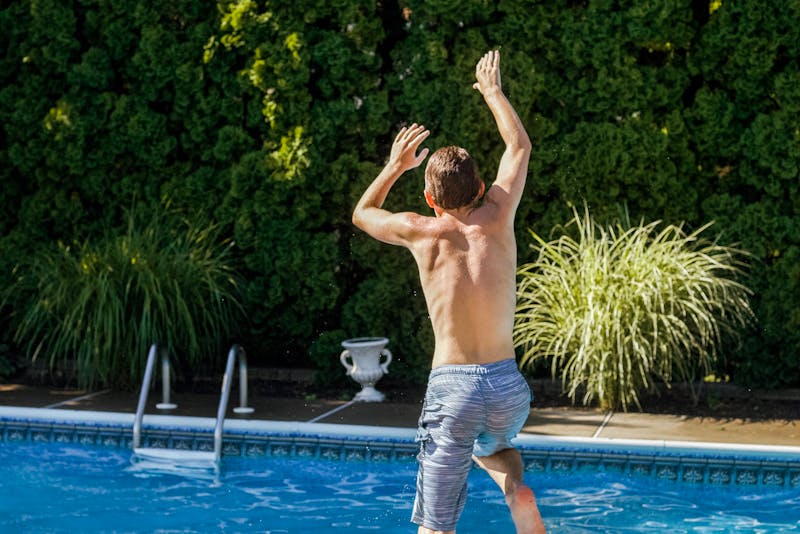
Many homeowners are drawn to the idea of building a pool themselves, hoping to save money and gain personal satisfaction. However, DIY pool construction is not as simple as it may appear. While small above-ground pools may be manageable, in-ground or custom-designed pools involve complex engineering, plumbing, and electrical work.
DIY construction requires extensive preparation, physical labor, and a strong understanding of construction principles. Mistakes can be costly, ranging from leaks and uneven surfaces to safety hazards. Despite these challenges, some homeowners successfully complete DIY projects with proper research, tools, and dedication.
Pros of DIY Pool Construction
- Cost Savings
DIY projects can save money on labor, which often accounts for 30-50% of total pool costs. - Personal Satisfaction
Completing a pool yourself provides a sense of accomplishment and allows full creative control over design. - Flexibility in Timing
You can work at your own pace without relying on contractors’ schedules.
Cons of DIY Pool Construction
- Technical Challenges: Excavation, plumbing, electrical wiring, and finishing require skill and experience.
- Time-Consuming: DIY pools can take weeks or months, depending on complexity.
- Potential for Errors: Mistakes may lead to water leakage, uneven surfaces, or costly repairs.
- Limited Design Options: Complex designs like infinity edges or custom shapes are difficult for DIY builders.
Professional Pool Installation: The Safer Option
Hiring professional contractors ensures your pool is built to code, safely, and efficiently. Professionals have the experience, tools, and knowledge to handle excavation, plumbing, electrical connections, filtration systems, and finishing touches.
Professional installation may cost more upfront, but it can save money in the long term by avoiding errors and structural issues. Licensed contractors also provide warranties and insurance, giving peace of mind for homeowners.
Advantages of Professional Pool Construction
- Expertise and Experience: Professionals can handle complex designs, ensure proper drainage, and prevent common mistakes.
- Time Efficiency: Pools are completed faster compared to DIY projects.
- Compliance and Permits: Professionals navigate local regulations, ensuring permits and inspections are correctly handled.
- Long-Term Durability: Proper installation reduces future repair and maintenance costs.
Drawbacks of Professional Installation
- Higher Costs: Labor and service fees can significantly increase your budget.
- Less Control Over Design: While you can provide input, professionals may have limitations on materials or techniques.
- Scheduling Dependency: Construction timelines depend on contractor availability.
How Much Does It Cost to Build a Swimming Pool?
Understanding costs is essential whether you choose DIY or professional installation. Several factors influence the final price:
- Pool Type: In-ground pools (concrete, fiberglass, or vinyl) cost more than above-ground options.
- Size and Depth: Larger pools require more excavation, materials, and labor.
- Materials and Finishes: Tiles, decking, and filtration systems add to the cost.
- Location: Labor and permit costs vary by region.
Typical Cost Ranges:
- Above-ground pools: $1,500 – $5,000 (DIY-friendly)
- In-ground fiberglass pools: $20,000 – $50,000 (professional recommended)
- In-ground concrete pools: $35,000 – $100,000+ (complex designs require professional expertise)
DIY projects may save on labor, but mistakes can increase costs in the long run. Professional installation ensures predictable costs and long-term quality.
Step-by-Step Guide: How to Build a Swimming Pool (DIY Approach)
If you decide to attempt a DIY pool, careful planning and stepwise execution are critical. Here’s a simplified guide:
- Design and Planning
- Sketch your pool layout and dimensions
- Consider depth, shape, and surrounding landscaping
- Obtain necessary permits
- Excavation
- Mark the pool perimeter
- Use excavation equipment to dig to the required depth
- Ensure proper drainage slopes
- Plumbing and Electrical Installation
- Lay out pipes for water circulation, filtration, and drainage
- Install electrical systems for pumps and lighting (consult local code)
- Structural Framework
- Concrete pools: Build rebar framework and pour concrete
- Vinyl pools: Install panels and liner
- Fiberglass: Ensure a level base and proper support
- Finishing Touches
- Apply plaster or tiles for concrete pools
- Add decking, fencing, and landscaping
- Test water circulation and filtration
Step-by-Step Guide: How Professionals Build a Swimming Pool
Professional pool construction follows a similar outline but with enhanced efficiency, precision, and safety measures:
- Consultation and Design
- Professionals help select pool type, size, and materials
- 3D modeling may be used for visualization
- Excavation and Base Preparation
- Excavation with heavy machinery
- Soil testing and grading for proper drainage
- Plumbing, Electrical, and Structural Work
- Licensed technicians install plumbing and electrical systems
- Reinforced concrete or fiberglass shells are precisely installed
- Finishing, Inspection, and Testing
- Surface finishing (tiles, plaster, or liner)
- Decking and landscaping integration
- Thorough inspection for leaks, water flow, and compliance
Safety Considerations When Building a Pool
Safety is critical, whether building DIY or hiring professionals. Pools can pose drowning risks, electrical hazards, and slip dangers.
Essential safety measures include:
- Installing fencing or barriers around the pool
- Adding non-slip surfaces and pool covers
- Following local electrical and plumbing codes
- Keeping lifesaving equipment nearby
Professionals often handle safety features as part of the construction process, while DIY builders must research and implement them independently.
Maintenance Requirements for DIY and Professional Pools
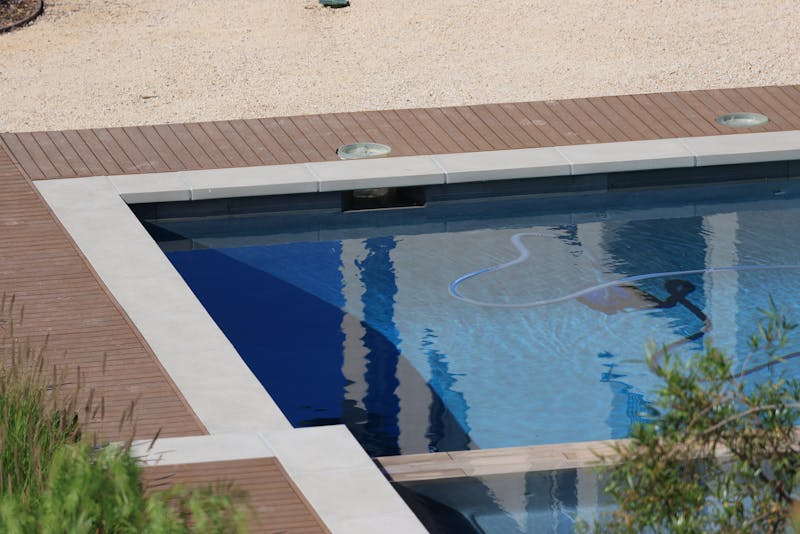
Regular maintenance is vital for pool longevity, water quality, and safety. Maintenance tasks include:
- Water Quality: Balancing pH and chlorine levels
- Cleaning: Skimming, vacuuming, and filter cleaning
- Structural Checks: Inspecting tiles, liners, and concrete for damage
- Equipment Maintenance: Pump, heater, and lighting inspections
Professional pools often include maintenance guides or optional service contracts. DIY pools may require homeowners to learn maintenance practices to prevent problems.
Deciding Between DIY and Professional Pool Construction
Choosing between DIY and professional installation depends on:
- Budget: DIY may save upfront costs, but professional installation reduces long-term risks
- Skill Level: Complex pools require technical knowledge and experience
- Time Availability: DIY projects can be lengthy and labor-intensive
- Design Preferences: Professionals handle advanced designs and features
Homeowners seeking a high-quality, safe, and long-lasting pool often benefit from professional installation, while those confident in their skills may enjoy a DIY approach for simpler designs.
Common Mistakes to Avoid When Building a Swimming Pool
Whether DIY or professional, being aware of common mistakes can save time and money:
- Ignoring Permits and Regulations: Legal issues can result in fines or reconstruction
- Poor Drainage and Grading: Leads to water accumulation and structural damage
- Underestimating Costs: Failing to budget for finishing, landscaping, or equipment
- Neglecting Maintenance: Dirty or imbalanced water can damage the pool and affect health
- Rushing Construction: Proper curing, plumbing, and finishing require patience
Enhancing Your Pool: Features and Upgrades
Modern pools offer more than just water for swimming. Consider adding features to enhance functionality and enjoyment:
- Heating systems for year-round swimming
- Lighting for ambiance and safety
- Waterfalls or fountains for aesthetic appeal
- Automated cleaning and chemical dosing systems
- Pool covers and safety alarms
Professionals can integrate these features seamlessly, while DIY builders must ensure compatibility and safety.
Conclusion: Building a Swimming Pool the Right Way
Building a swimming pool is a significant investment that requires careful planning, design, and execution. Homeowners must weigh the pros and cons of DIY versus professional installation, considering budget, skill level, and long-term maintenance.
DIY pools can offer cost savings and personal satisfaction, but they require significant effort, technical knowledge, and attention to detail. Professional installation ensures high-quality construction, safety, and durability, often justifying the higher upfront costs.
Ultimately, the right approach depends on your priorities, backyard layout, and willingness to commit time and effort. With the right planning and execution, any homeowner can enjoy a beautiful, functional, and safe swimming pool for years to come.